Project Background
Cash-based interventions (CBI) are a central modality of the humanitarian sector in general and UNHCR, specifically. Across both emergency response and support to durable solutions, UNHCR increasingly offers unrestricted cash to those in need. UNHCR formally committed to institutionalising cash assistance in 2016, with calls for it to become the default modality. It is, therefore, key to understand, comprehensively, the the extent to which UNHCR has followed through on its goals to increasingly pivot towards cash-based provisions and to understand the impact this provision has had. In particular, the overall work will consider the extent to which UNHCR adopted its “why not cash” policy, reflect on the achievements of CBI in general, and to reflect on how future cash approaches can be optimised.
Project Objectives
In this project, ISDC will use quasi-experimental methods in order to understand the impact of cash based interventions in the context of Afghanistan. In particular, the work will seek to understand the impact of cash on key outcomes relating to the welfare of refugees and to assess the extent to which this is influenced by the modality of cash delivery; the degree of restriction on the use of the cash; and the overall volume of cash provided. This work is designed, both, to understand the impact of CBI on welfare outcomes in CBI settings and to understand how these interventions can be streamlined to deliver maximum impact for minimum cost.
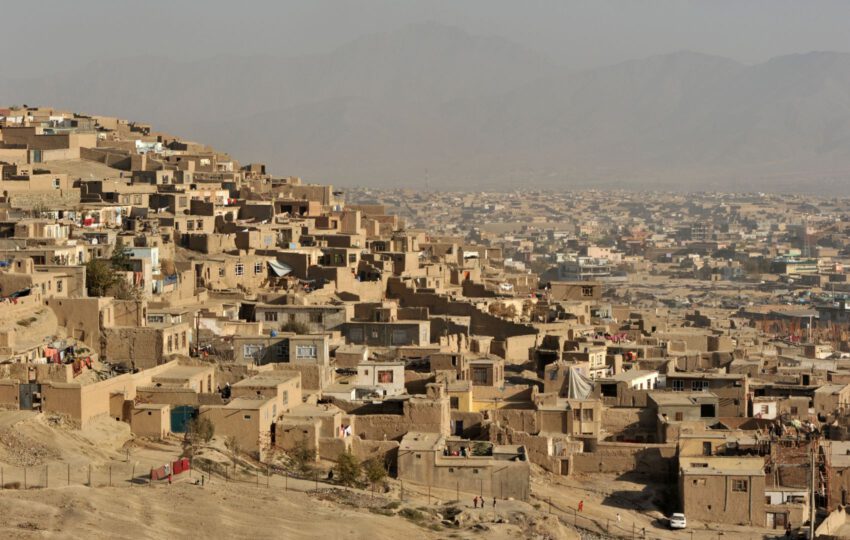
Image credit: christophe_cerisier / Getty Images
Project Details
- Project Year/s: 2025 · 2026
- Donors: United Nations High Commissioner for Refugees
- Partner/s: GPPi
- Region/s: Middle East & North Africa
- Theme/s: Humanitarian Emergencies · Impact Evaluation
- Research Topic/s: Migration & Displacement