Peacebuilding Fund Impact Evaluation, Learning and Dissemination
PeaceFIELD
The PeaceFIELD initiative works towards closing key knowledge gaps at the heart of the peacebuilding field, generating evidence on what works and how.
About PeaceFIELD
By conducting a range of impact evaluations on common pro-peace interventions, PeaceFIELD aims to create direct, timely, and replicable knowledge-based recommendations on which kinds of peacebuilding interventions should be supported. Since 2021, the aim of PeaceFIELD2 has been to establish long-term systematic change in how project partners approach advanced learning.
Despite claims that peacebuilding programs are a “proven investment”, evidence on what works, how it works and – often – on how it is expected to work is incomplete. Working closely with our partners, we are building evaluation capacity. In combination, this work is enhancing current and future knowledge generation. In this sense, the project is designed to build peace.
This work is conducted with the short-term aim of closing key knowledge gaps in the field; and in the longer-term, to promote the generation of demand-driven advanced learning at program and strategic levels.
Case studies
The main work of PeaceFIELD focuses on the rigorous quantitative evaluation of a number of case study projects, supported by in-depth qualitative data designed to understand both the settings in which the interventions took place, and to contextualise their results. These case studies focus on unique settings, facing unique conflict risks and challenges.
Guatemala
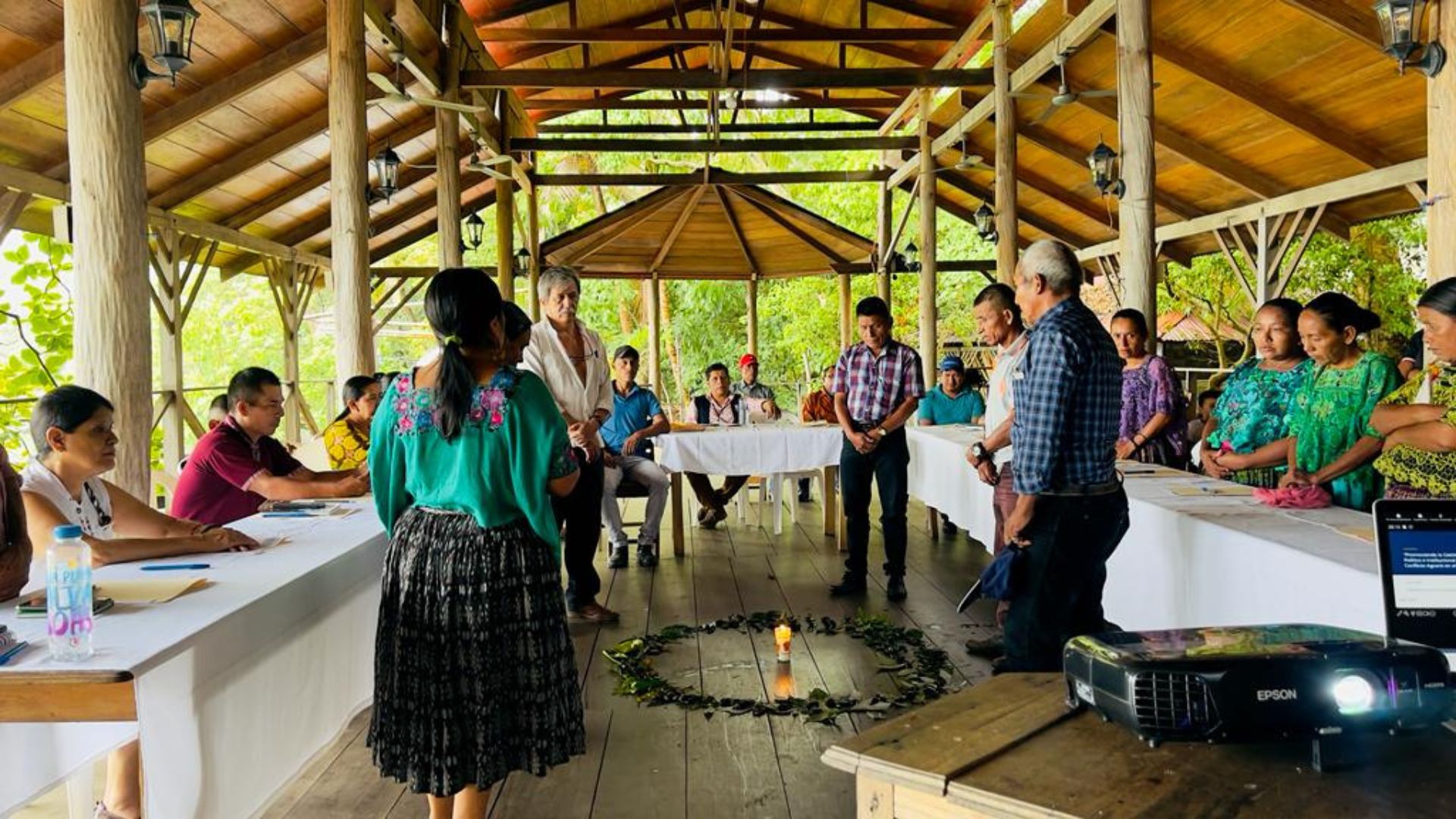
The Polochic Valley in Guatemala continues to experience a legacy of poverty, deprivation and insecure land rights. These issues were key drivers of the Guatemalan civil war, which was particularly intense in this area of the country. While that conflict ended with a peace agreement in the mid-90s, neither the legacies nor drivers of that conflict have been fully addressed. The Polochic Valley remains a hotbed of violence in Guatemala, particularly informal conflicts over land between communities and individuals, and between these communities and the private enterprises that use much of their traditional agricultural lands.
Find out more
The Intervention
For almost a decade, the PBF and its partners have been working in the Polochic Valley to address these land conflicts. The “Promoting the Management of Social, Political and Institutional Environment to Diminish Agrarian Conflict in the Polochic Valley, Guatemala” program ran from 2021 until 2023 and was implemented by three UN partners: FAO, WFP and OHCHR. The work of the project included national level support for state institutions, as well as specific support for dialogue spaces, land registries through the training of public officials and local conflict mediators. The project aimed to strengthen institutions, build capacity amongst peasant and indigenous communities and to improve dialogue spaces.
Our Study
We use a synthetic control approach to understand the impact of the intervention on the number of land conflict events in the Polochic Valley. This approach compares observed violence in the Polochic Valley with estimates of what violence would be, based on comparisons with predicted levels of violence based on a weighted basket of violence in other, similar, regions in Guatemala. This was complemented by a survey experiment, embedded in two rounds of bespoke survey data, collected by the PeaceFIELD team. Our results show significant reductions in observed violence in the Polochic Valley, compared to estimated levels without the intervention. This is complemented by reductions in the perceptions of the effectiveness of the use of violence as a dispute resolution mechanism held by residents of the supported communities. This suggests a reduction in perceptions of the instrumental value of violence at the individual level and an associated reduction in its use at the community level.
Guinea / Sierra Leone
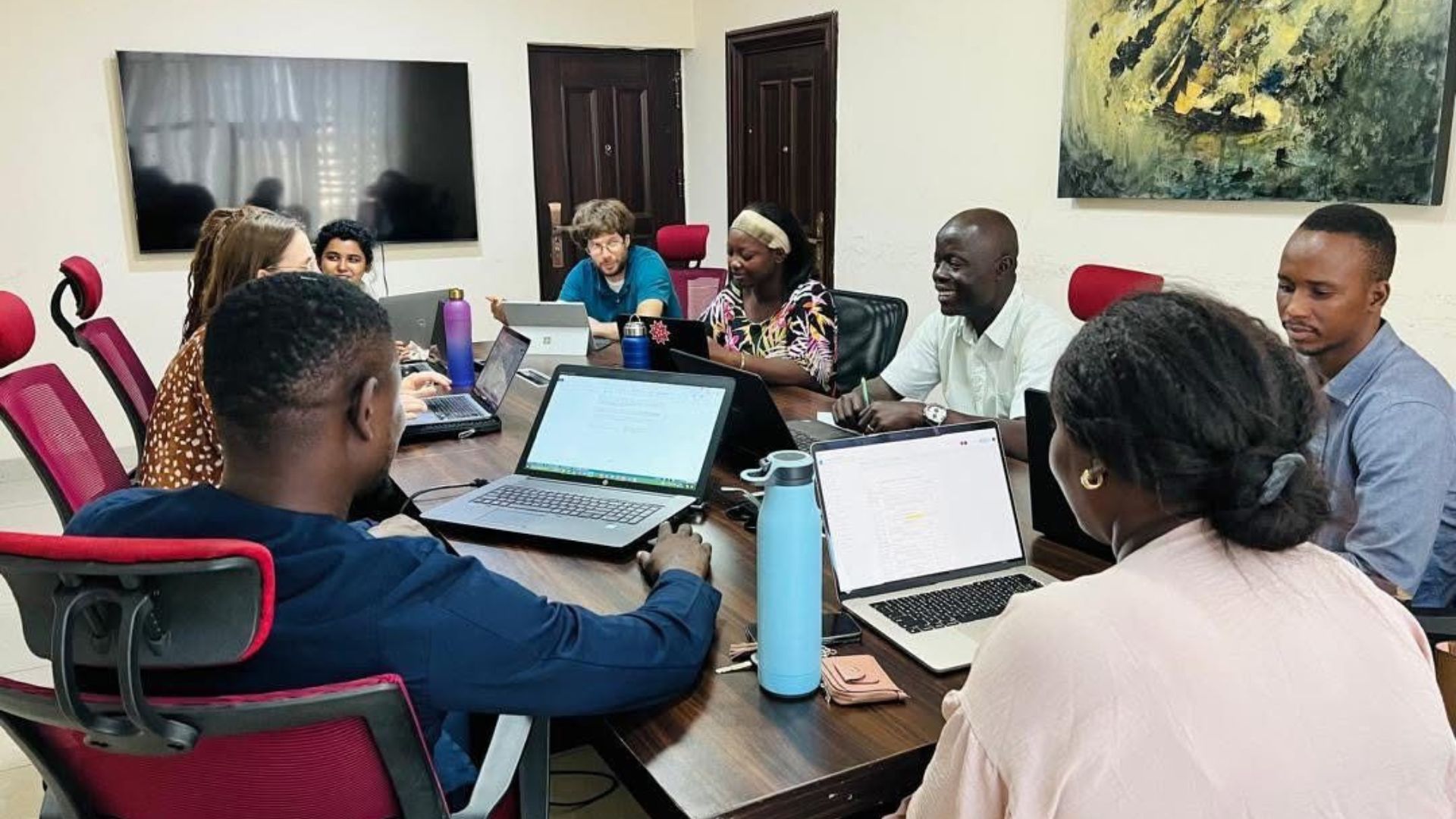
Across the northern border region of Sierra Leone and Guinea, long-standing tensions between farmers and herders remain a persistent source of insecurity. These remote areas experience annual cycles of transhumance, fragile local institutions, limited infrastructure, and increasing environmental pressures that intensify competition over land and water. Crop destruction, land disputes, and poorly understood cattle-movement regulations frequently trigger disputes with the potential to escalate into violence. These dynamics are compounded by weak border governance and low awareness of existing rules, making farmer-herder conflict one of the central and recurring risks to peace in the region.
Find out more
The Intervention
To address these challenges, the PBF invested in a multi-faceted intervention implemented by WFP, IOM, and Talking Drum Studio (TDS). The project combined support for local by-laws regulating cattle movements; livelihoods assistance for both farmers and herders through rehabilitated and fenced Inland Valley Swamp (IVS) sites, new ranches, water points, and agricultural training; and a communication and peace-messaging component centered on the long-running Cross-Border Bush Wahala radio drama and participatory community theatre. Together, these activities aimed to strengthen governance around land use, reduce the economic pressures that drive conflict, and shift attitudes toward more constructive and peaceful forms of dispute resolution.
Our Study
PeaceFIELD applied different complementary evaluation strategies to examine individual, community, and landscape-level impacts across the intervention area. A randomized survey experiment tested the effects of exposure to Bush Wahala on social cohesion, showing modest improvements in tolerance – particularly among men – while an incentivized behavioral game revealed heterogeneous subgroup effects, suggesting that responses to peace messaging are shaped by gender, identity, and lived experience. In a quasi-experimental comparison, we find tentative evidence of reduced conflict experiences among women and minority-tribe households, including declines in reported farmer-herder disputes and crop destruction. Finally, a macro-level satellite evaluation of targeted Inland Valley Swamp (IVS) sites detected clear shifts in agricultural practices in Sierra Leone, consistent with earlier harvests and expanded dry-season clearing promoted by the project. Taken together, these findings underscore both the promise and the limits of combining livelihoods, governance, and communication-based peacebuilding in a highly heterogeneous cross-border context – highlighting that meaningful gains are possible, while also emphasizing the need for continued institutional support to sustain them.
Mali / Niger
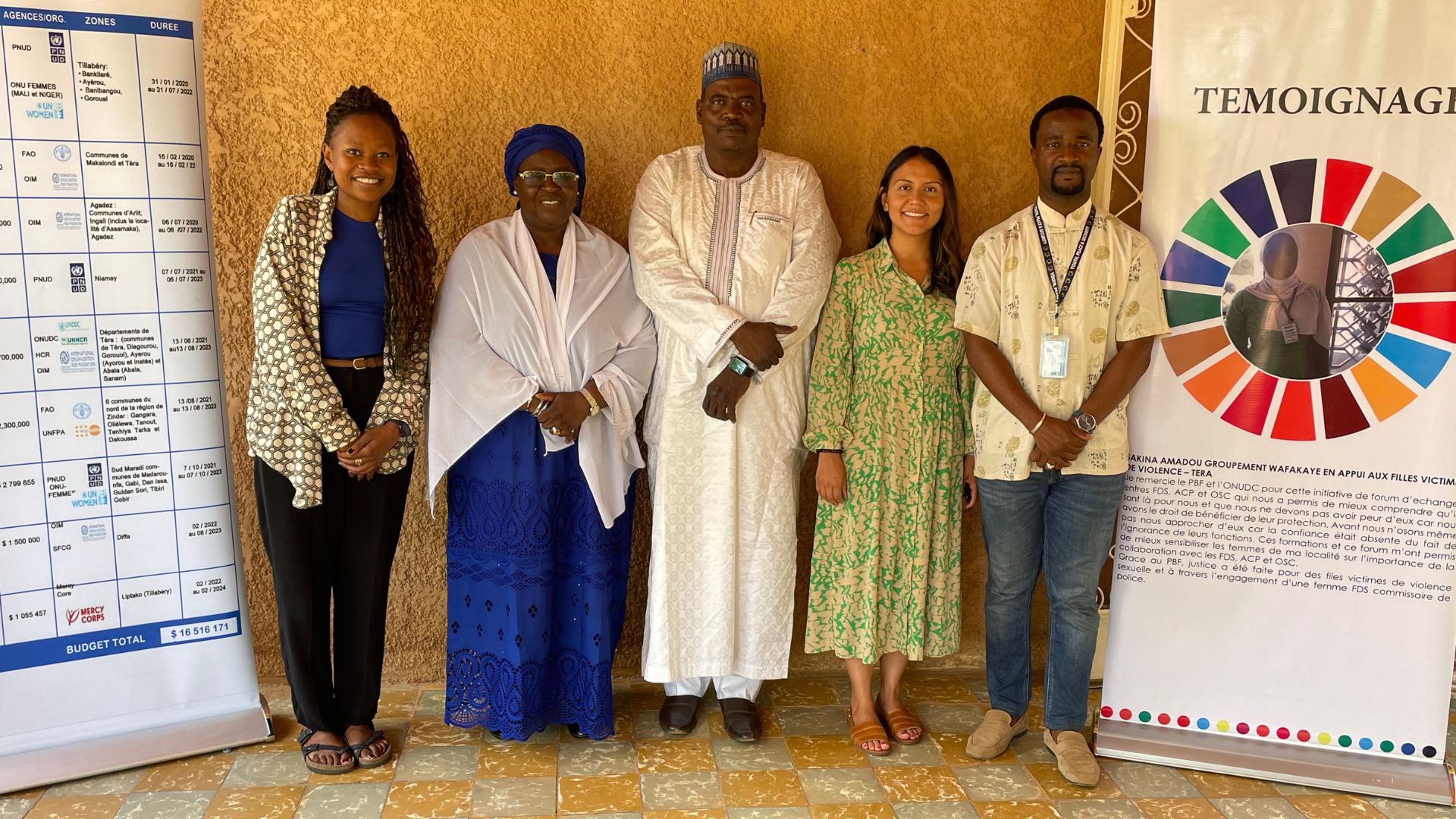
The border areas of Mali and Niger are amongst the most violent places in the Sahel. Types of violence include violence perpetrated by extremist groups that come from outside the communities that are attacked; and incredibly violent conflict resolution norms, where disputes between individuals or communities often end in fatal violence. This is exacerbated by macro-level political upheaval, with coups in recent years in both countries, and compounded by environmental stress, demographic pressures, food insecurity and under development.
Find out more
The Intervention
The program ‘Support for Cross-Border Community Dialogue Initiatives for Cross-Border Community Dialogue Initiatives with Security and Justice Sector Actors for Peacebuilding in Mali and Niger’ aimed to target these dual causes of violence, with a particular focus on building horizontal and vertical trust in areas where individuals report not even trusting members of their own families.
Our Study
A key component of this intervention broadcasted a range of news, factual, infotainment and comedy programs via a network of small, community radio stations, which is the focus of this evaluation. Using the limited broadcasting range of these stations, we analyze conflict dynamics across this discontinuity using spatial difference-in-difference approaches. This shows that while violence is accelerating rapidly both inside and outside the broadcast areas, this acceleration is reduced by the broadcasts. This is supported by preliminary results from a bespoke survey data collection that replicated the geographic discontinuity, collecting data from villages just inside and just beyond the broadcasting ranges. These results show increased trust in response to listening to an excerpt of the broadcast information in general, but with statistically significant findings emerging, only, from those inside the discontinuity.
Sudan
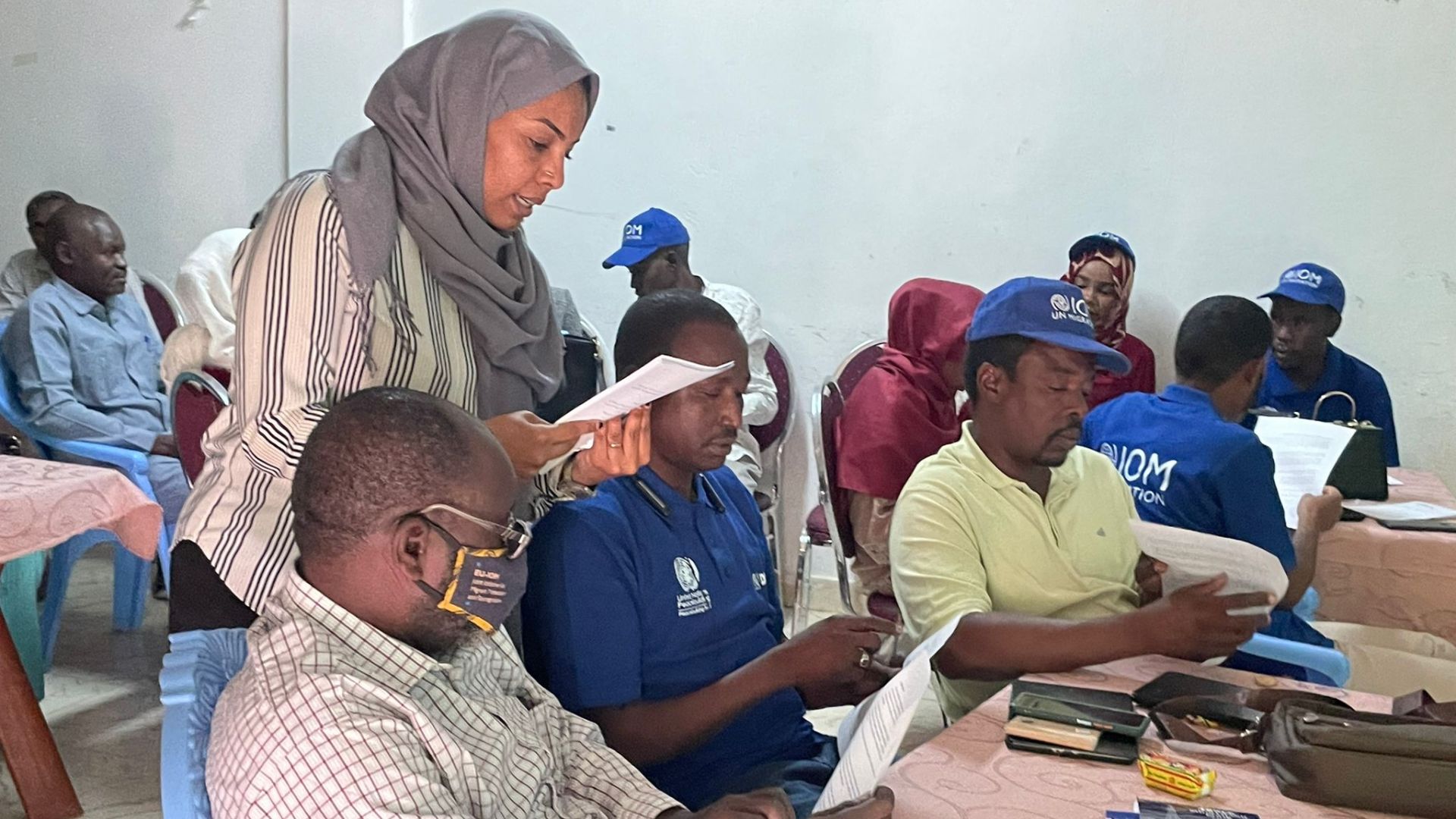
Darfur, Sudan, is an area that has witnessed high levels of conflict for more than two decades. From 2003 to 2005, estimates suggest that over 350,000 people died as a result of a conflict in Darfur. Many thousands more were displaced. While the intensity of the violence reduced with peace agreements in 2006 and 2007, these agreements did not address the root causes of the conflict, with low level violence continuing, even after another peace agreement in 2011, spiking in 2013. While violence had declined since 2016 until the onset of the Sudan civil war in 2023, the scars of the conflicts had remained, with many of the drivers of these conflicts unaddressed.
Find out more
The Intervention
Since 2020, the PBF has invested over US$20m in projects aimed at addressing local conflicts in Darfur. The intervention included a bundle of activities including: support for communities to resolve land disputes, provision of basic services and support for an inclusive civil society. The implementation was conducted by FAO, IOM, UNDP, UN-HABITAT, UNHCR and UNICEF. Implementation was completed in mid-2022.
Our Study
We use a difference-in-differences approach, based on two rounds of representative survey data collected by IOM in Darfur. At baseline, this data balances on key outcome indicators in villages in East Darfur that received support and those that did not receive support. The analyses show positive impacts of the interventions. Particularly, the project reduced the number of land conflicts and increased perceptions about the effectiveness of local peace committees. The main effects on the experience of land conflicts are greater for members of minority tribes and for female headed households.
Outputs
Project reports
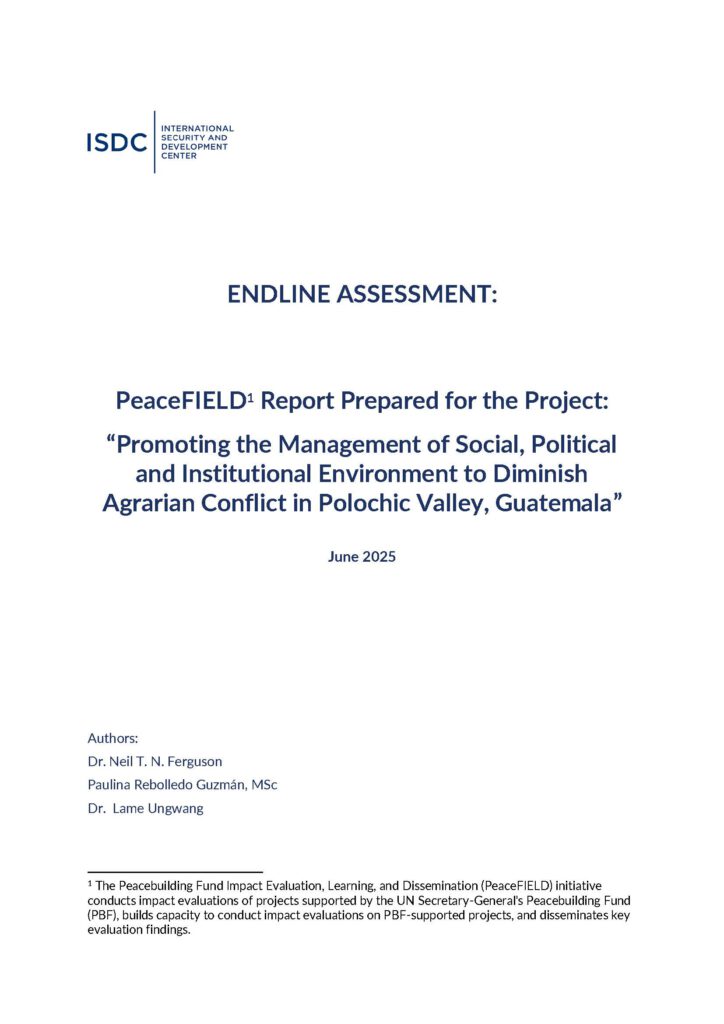
Promoting the Management of Social, Political and Institutional Environment to Diminish Agrarian Conflict in Polochic Valley, Guatemala
Endline Assessment
According to our analyses, the PBF-supported project in the Polochic Valley addresses key needs, locally. The communities that have received support suffer high levels of deprivation; high levels of stress-related indicators, more generally; have insecure land rights; and, in many instances, have faced evictions from lands on which they had previously lived and worked.
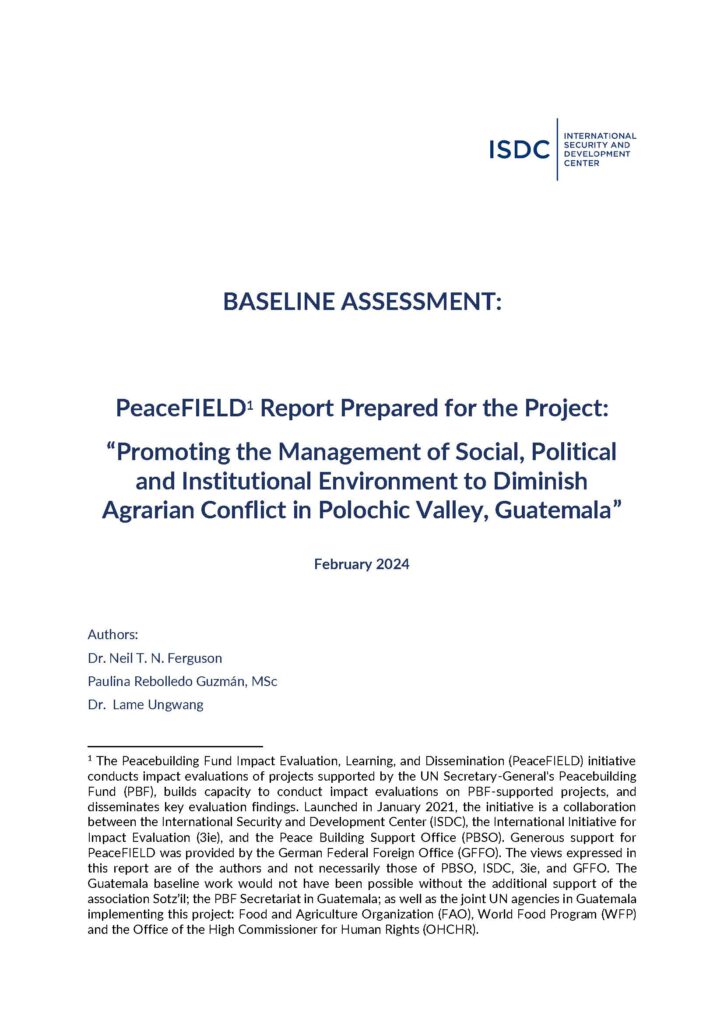
Promoting the Management of Social, Political and Institutional Environment to Diminish Agrarian Conflict in Polochic Valley, Guatemala
Baseline Assessment
This research study was conducted at baseline, i.e., prior to program implementation, and has two main objectives: (i) to provide rich descriptive evidence to profile the populations living in the communities targeted by the project; and (ii) to provide insights into the potential impacts that the project may have on conflict-related attitudes and perceptions of beneficiaries.
Pre-analysis plans
Our approach
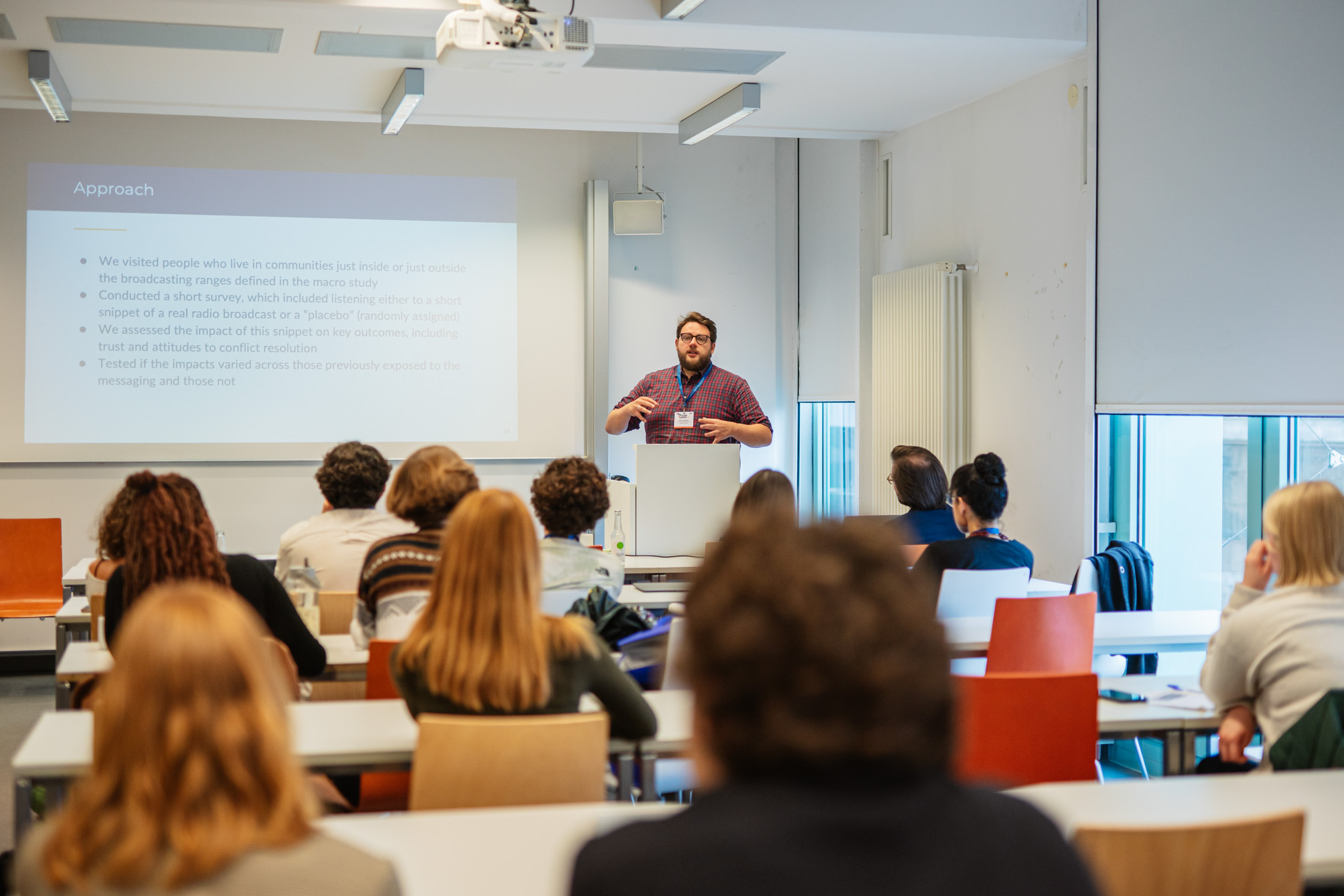
We start from the perspective that, in order to build peaceful societies, we need to nurture peaceful individuals. Across PeaceFIELD, we therefore consider the impacts of peacebuilding projects on the individuals who experience them. We test, from this micro perspective, the role of peacebuilding interventions on the attitudes, beliefs and behaviors of individuals and the extent to which these changes are connected to creating more peaceful societies. This builds on key knowledge gaps across the literature, where key knowledge gaps remain, methodologically, conceptually and practically, about what works in these settings. Key building blocks of international strategies to build peace, therefore, remain unstudied.
These gaps arise, at least in part, due to the unique complexities of the settings that necessitate peacebuilding interventions, the designs of the interventions needed to build peace and difficulties in objectively measuring peacebuilding outcomes. Based on careful analysis of the settings, careful understanding of how the case-study interventions align with local conflict risks and using a range of novel empirical tools, including survey experiments and remotely sensed data, PeaceFIELD aims to directly address and overcome these challenges to produce a first compendium of knowledge across key building blocks of efforts to build peace.
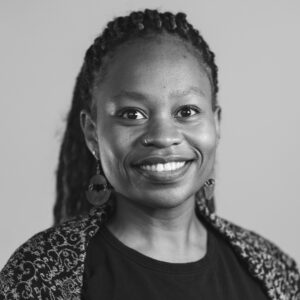
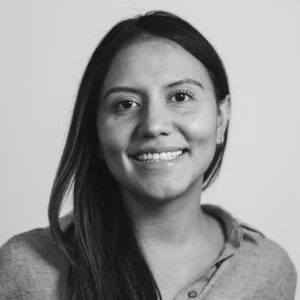
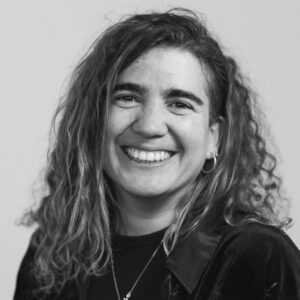
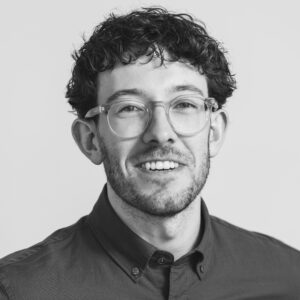
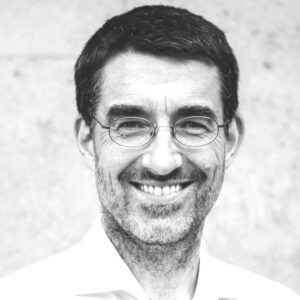
ISDC project team
Project partners
ISDC
ISDC – International Security and Development Center is a non-profit academic institute based in Berlin, Germany. We conduct research to improve lives and livelihoods shaped by violent conflict, fragility, and humanitarian emergencies. We believe in the power of data and evidence for understanding and alleviating suffering around the world.
3ie
The International Initiative for Impact Evaluation (3ie) is a mission-driven non-profit organization dedicated to using evidence to transform people’s lives in low- and middle-income countries.
They collaborate with decision-makers in governments, foundations, NGOs, development and research organizations globally to meet their evidence needs and facilitate the use of evidence in their work.
UN PBSO
As part of the Department of Political and Peacebuilding Affairs (DPPA), the Peacebuilding Support Office (PBSO) serves as a facilitator to enhance coherence and collaboration across the UN system and with partners in support of nationally owned efforts to build and sustain peace. Established in 2005, PBSO draws together expertise to advance impactful system-wide action, policies and guidance and fosters an integrated and inclusive approach to prevention and sustaining peace.