This study presents an in-depth analysis of the sector reforms needed to enable the Kyrgyz Republic to achieve higher and more sustainable economic growth. Dr Damir Esenaliev of ISDC has co-authored the chapter titled on Human Resources for Inclusive Growth.
We survey selected parts of the growing literature on the microeconomics of violent conflict, identifying where academic research has started to establish stylized facts and where methodological and knowledge gaps remain.
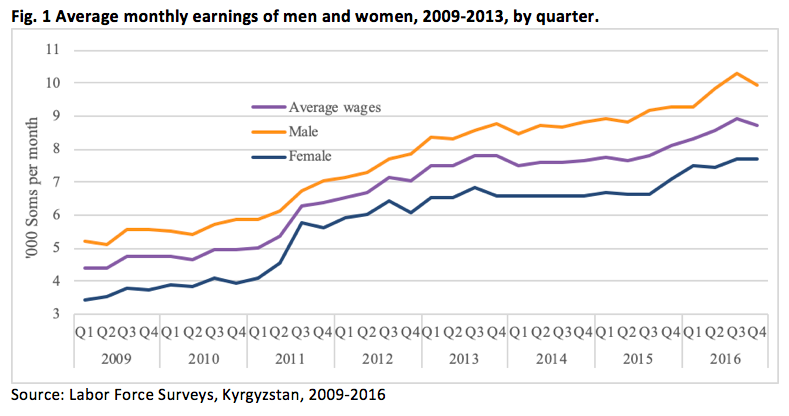
The policy reform conducted in 2011 in Kyrgyzstan to increase the wages for teachers, health and social workers not only reduced wage gap in these sectors compared to non-reformed sectors, but also had a pronounced gender gap narrowing effect in the reform sectors and economy-wide.
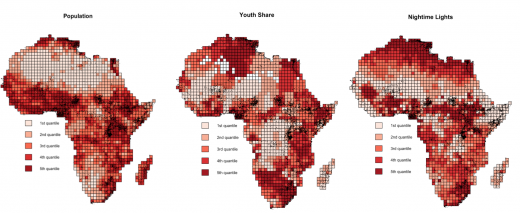
At least 350 million young people living in rural areas are exposed to conflict each year. Despite the disproportionate levels of exposure to violence this implies, surprisingly little is known about how rural young people experience conflict, and in turn, about the programmes that can help to mitigate associated adversities.
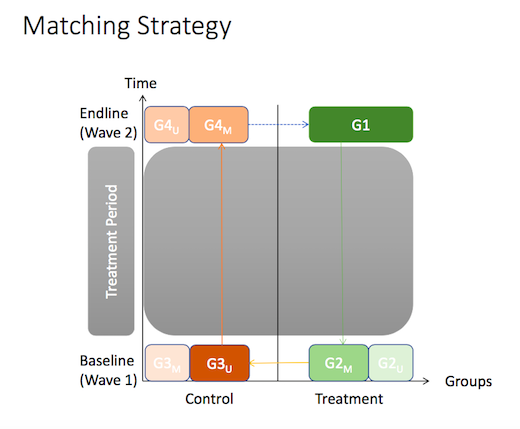
We link employment to stability in five African countries to test if standard interventions influence complex outcomes. We show positive impacts on some indicators but negative externalities also arise. There are, thus, grounds for optimism but further work is required.
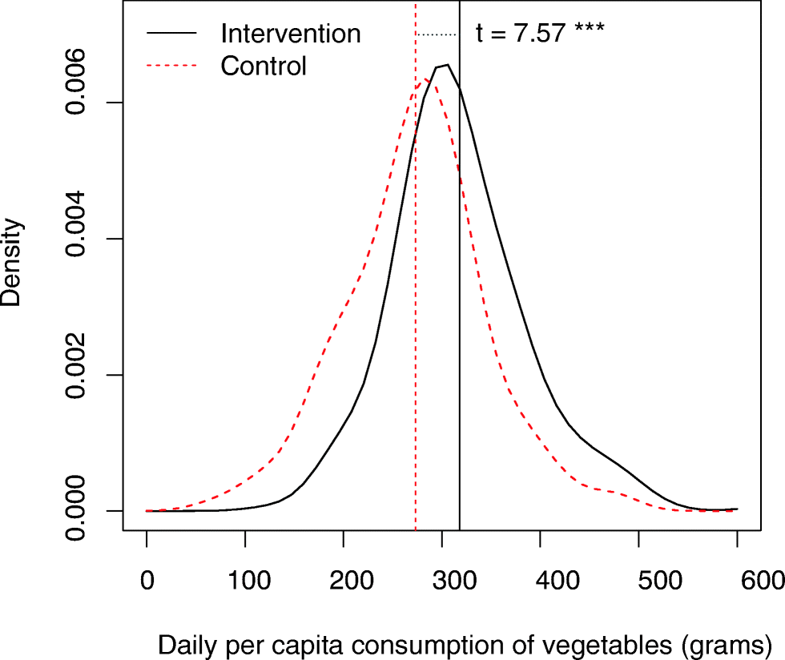
A recent strand of aid programming aims to develop household assets by removing the stresses associated with meeting basic nutritional needs. In this paper, we posit that such nutrition-sensitive programmes can reduce malnourishment by encouraging further investment in diet.
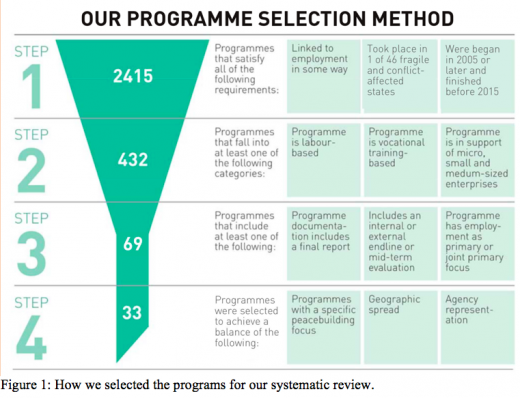
Over $10bn has been spent on programmes that assume that building employment also builds peace. We show that while there are good reasons to think this money is not spent fruitlessly, there remains a structural lack of empirical confirmation of these theories.
This paper summarizes the micro-level survey evidence from Central Asia generated and analyzed in the period 1991–2012. We provide an exhaustive overview over all accessible individual and household-level surveys undertaken in Kazakhstan, Kyrgyzstan, Tajikistan, Turkmenistan and Uzbekistan – and of all academic papers published using these datasets.
We provide a review of theoretical and empirical contributions on the economic analysis of terrorism and counterterrorism. We argue that simple rational‐choice models of terrorist behavior – in the form of cost‐benefit models – already provide a well‐founded theoretical framework for the study of terrorism and counterterrorism.
This paper studies how conflict affects household resilience capacity and food security, drawing on panel data collected from households in Palestine before and after the 2014 Gaza conflict.
We study the effect of the Israeli–Palestinian conflict on various education outcomes for Palestinian high school students in the West Bank during the Second Intifada (2000–2006).
In our brief review, we take stock of the emergence, in the last decade, of the “microeconomics of violent conflict” as a new subfield of empirical development economics.