Programme Overview
Building Local Resilience in Syria (BLRS)
Syria has faced over a decade of conflict, resulting in widespread destruction, economic hardship, and a sharp decline in living standards. The BLRS programme is responding to these challenges by tackling food insecurity and gender-based violence through a range of resilience-building interventions.
The BLRS programme: a path to resilience
In response to Syria’s ongoing crises, the BLRS programme provides sustainable solutions to food insecurity by addressing its root causes through integrated, resilience-building interventions. Furthermore, the programme addresses violence against women and girls (VAWG) through pilot interventions designed to prevent intimate partner violence (IPV). The programme is funded by the UK Foreign, Commonwealth, and Development Office (FCDO) and is implemented by the Food and Agriculture Organization of the United Nations (FAO) and the Syria Resilience Initiative (SRI) in phase one, and by FAO and CARE International in phase two.
BLRS in a nutshell
- When? Start: 1 April 2022 | End: 31 March 2028
- Where? The programme is operating across most regions of Syria, including Aleppo, Al-Hasakeh, Deir ez-Zor, Hama, Homs, Idlib, Latakia and Rural Damascus.
- Who? Approximately 150,000 Syrians currently benefit every year with focus on women, young people, and those with disabilities.
- What? crop production; livestock production & health; capacity building; Irrigation, water & energy; SME & value chains; women empowerment (more details)
- How? See below!
How BLRS is driving meaningful change
SPACE
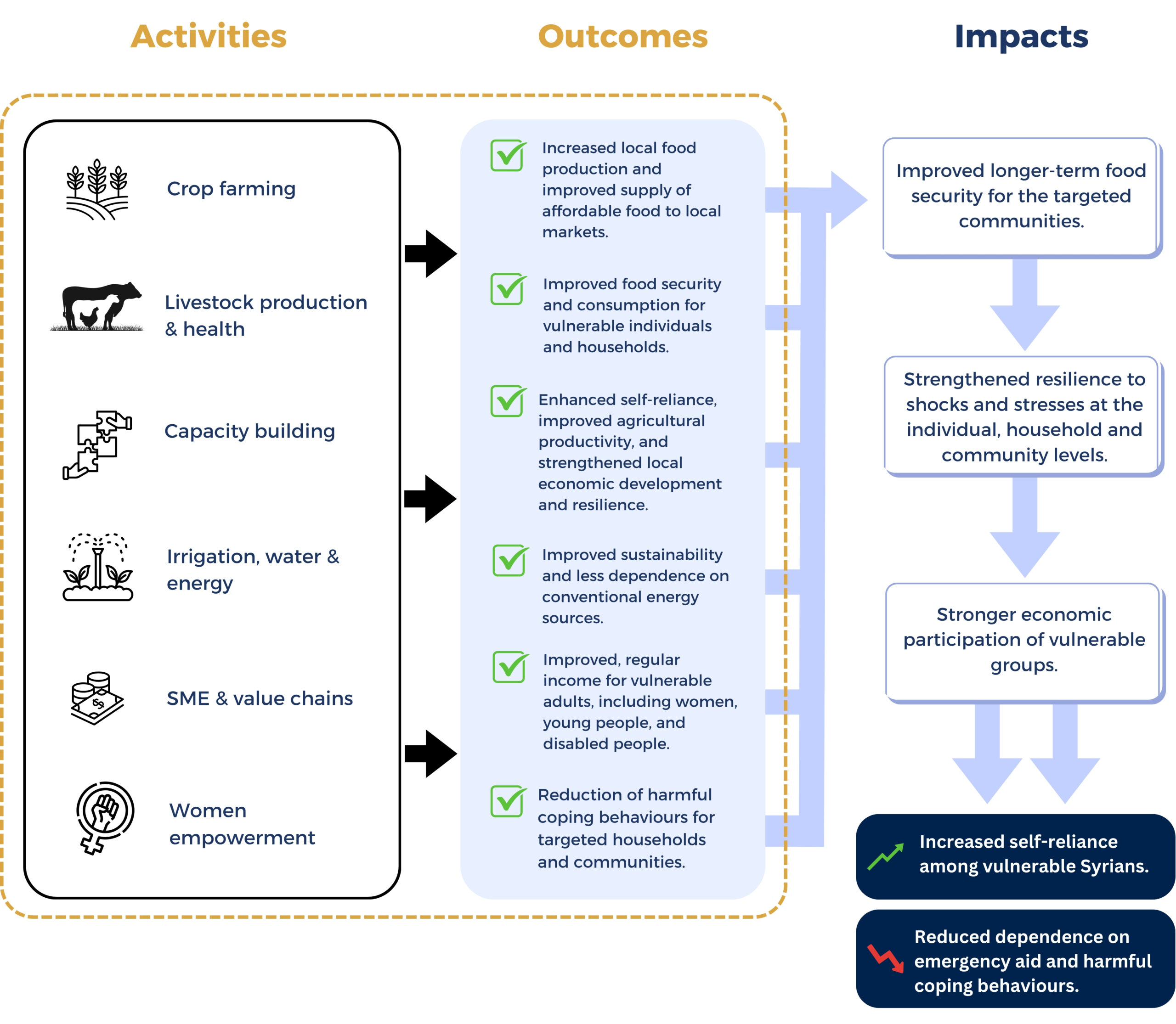
Below is an overarching theory of change for BLRS, illustrating how the various food security and livelihood interventions can lead to improved outcomes and impacts. To find out more about these interventions, take a look at BLRS in numbers.
BLRS in numbers
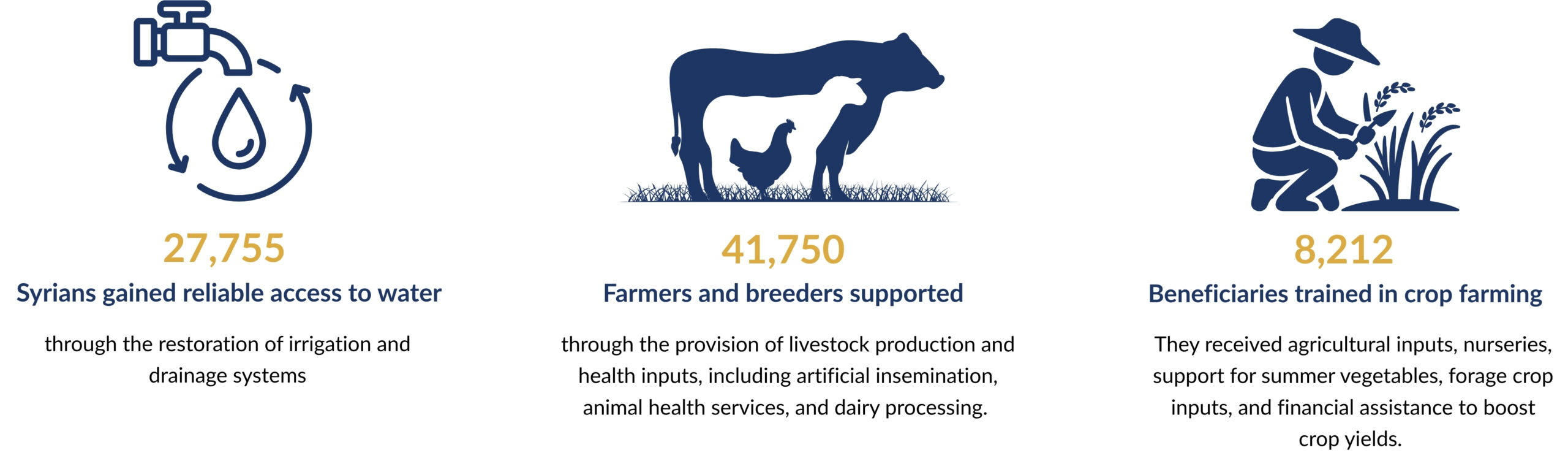
During the most recent project year (April 2024 to March 2025), the BLRS programme supported over 70,000 Syrians (unique beneficiaries) through six key intervention groups: crop farming, livestock production and health, capacity building, irrigation, water and energy, SME and value chains, and women empowerment. Below are a couple of examples of these interventions:
The interactive map below provides detailed information about the specific types of activities and interventions implemented by the partners, as well as the number of beneficiaries reached so far. Use the drop-down menu on the left to explore the different categories.
What are we learning?
BLRS is a live programme that is being studied and evaluated on an on-going basis. Below you will find material that outlines the insights we have gleaned so far. This section will be updated as more reports and briefs become available.
Strengthening Food security in Syria
BLRS thematic brief

Addressing Violence Against Women and Girls (VAWG)
BLRS thematic brief
Women’s Empowerment and Gender Attitudes in Syria
BLRS thematic brief
ISDC’s work
Find out more about our evaluations of the BLRS programme:
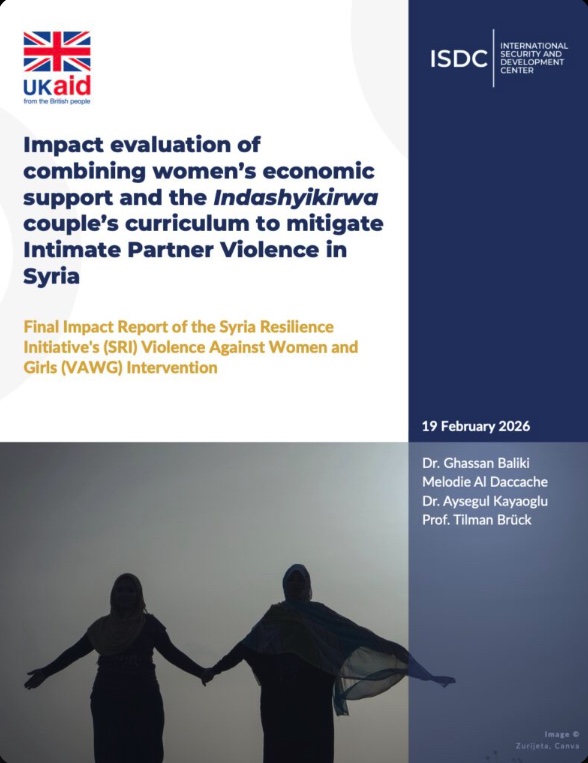
Women’s Empowerment
Final Impact Report of the Syria Resilience Initiative’s (SRI) Violence Against Women and Girls (VAWG) Intervention
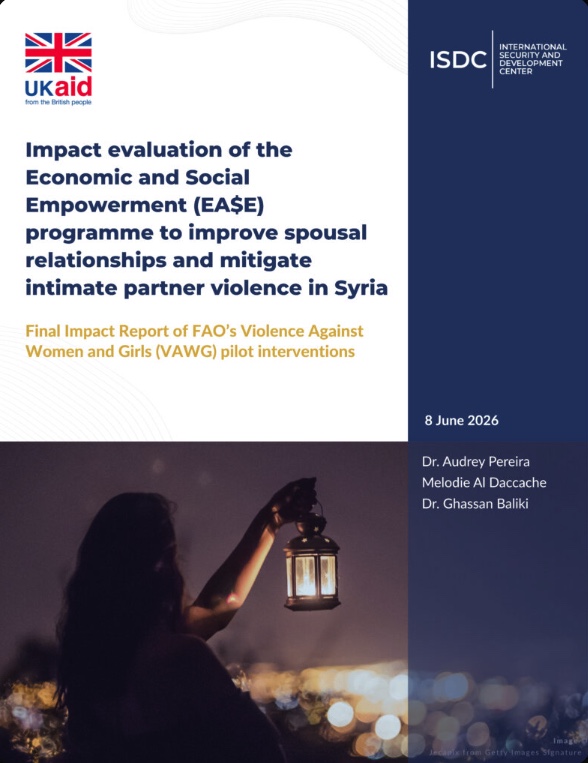
Women’s Empowerment
Final Impact Report of FAO’s Violence Against Women and Girls (VAWG) pilot interventions
Women’s Empowerment
Evidence and lessons from the Building Local Resilience in Syria Violence Against Women and Girls prevention pilots
Impact stories
Discover real-life stories from our SRI and FAO partners, who are implementing BLRS on the ground:
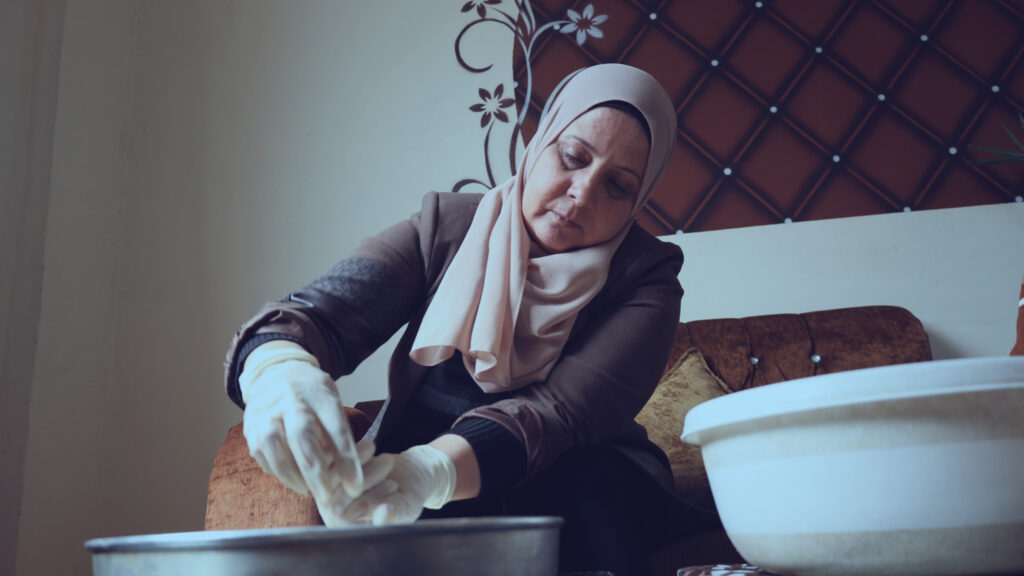
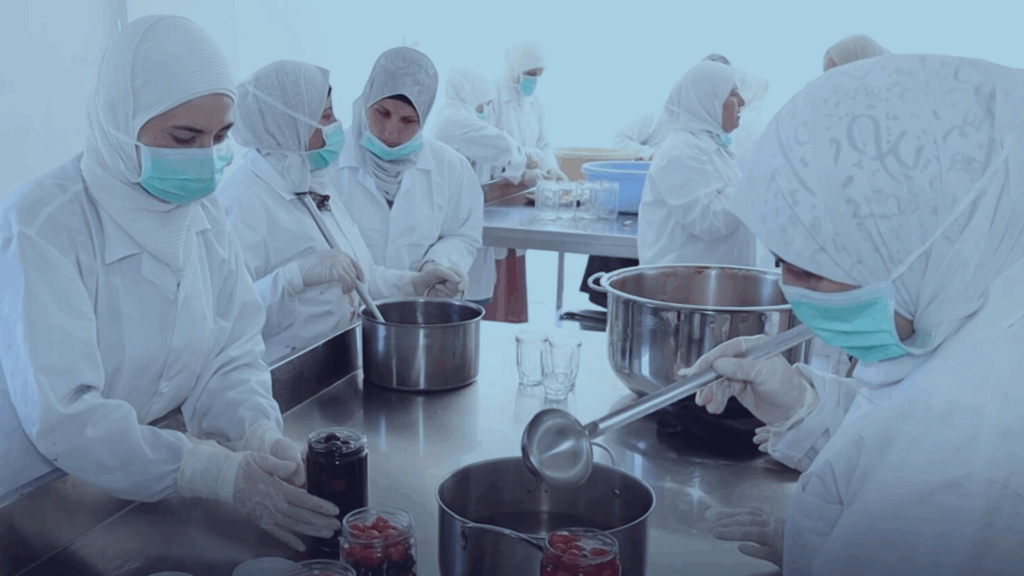
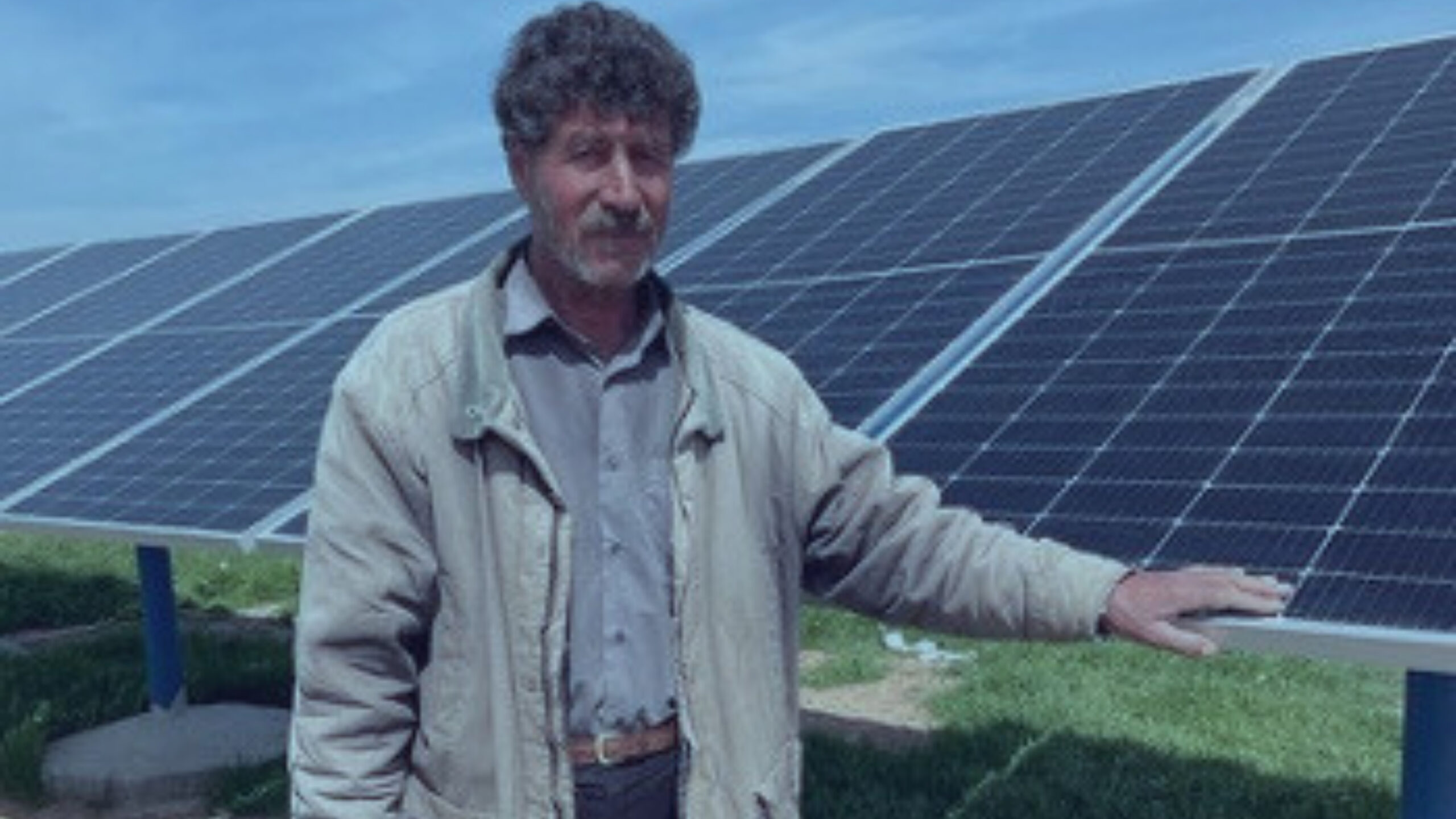
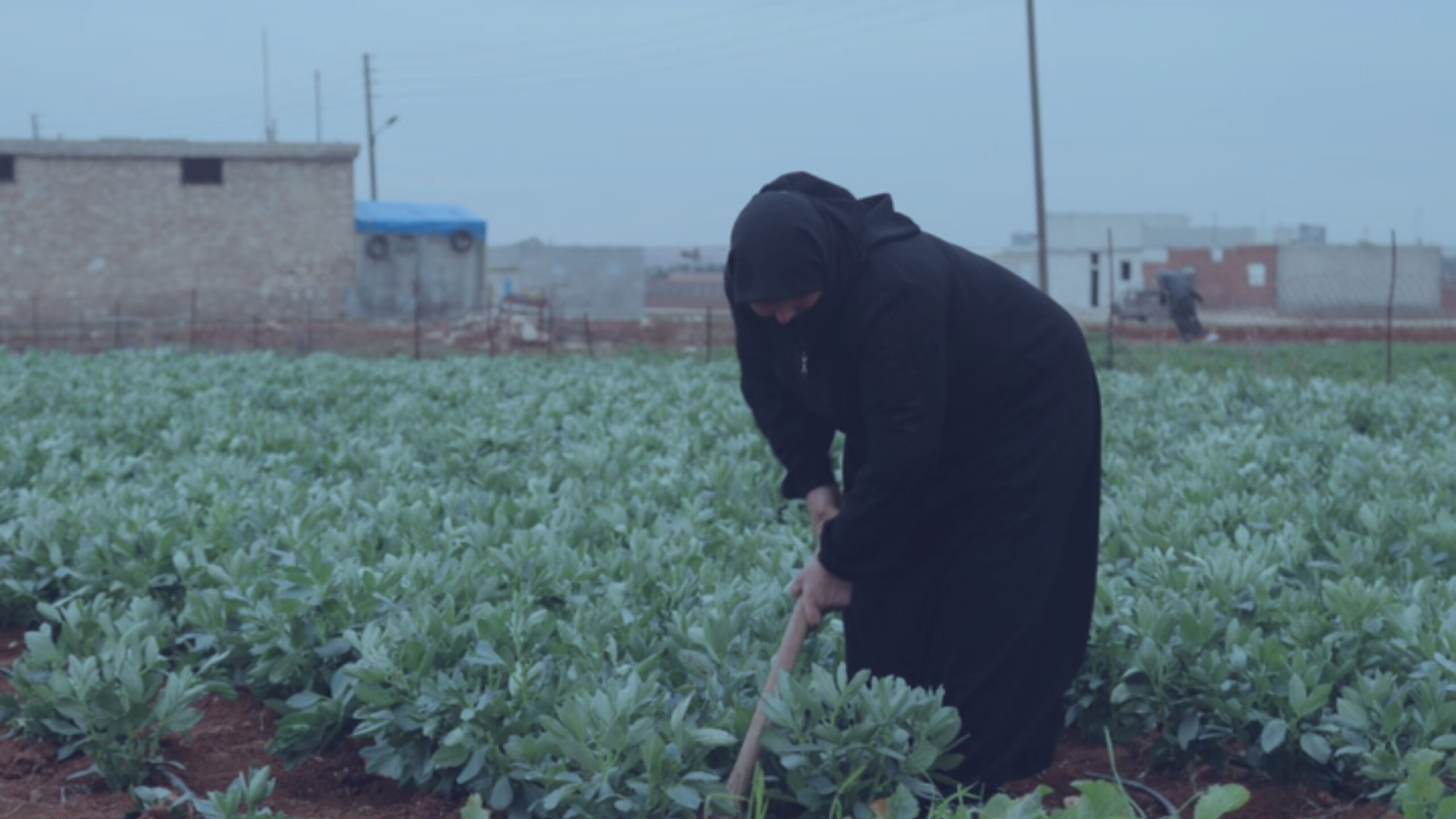
Protecting Families from Drought and Hunger
SRI article
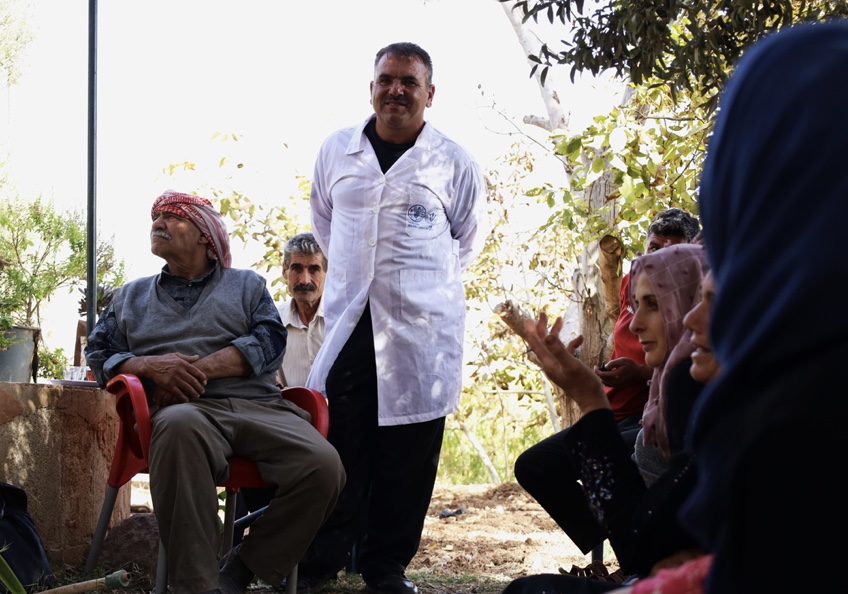
ISDC supports learning and evaluation
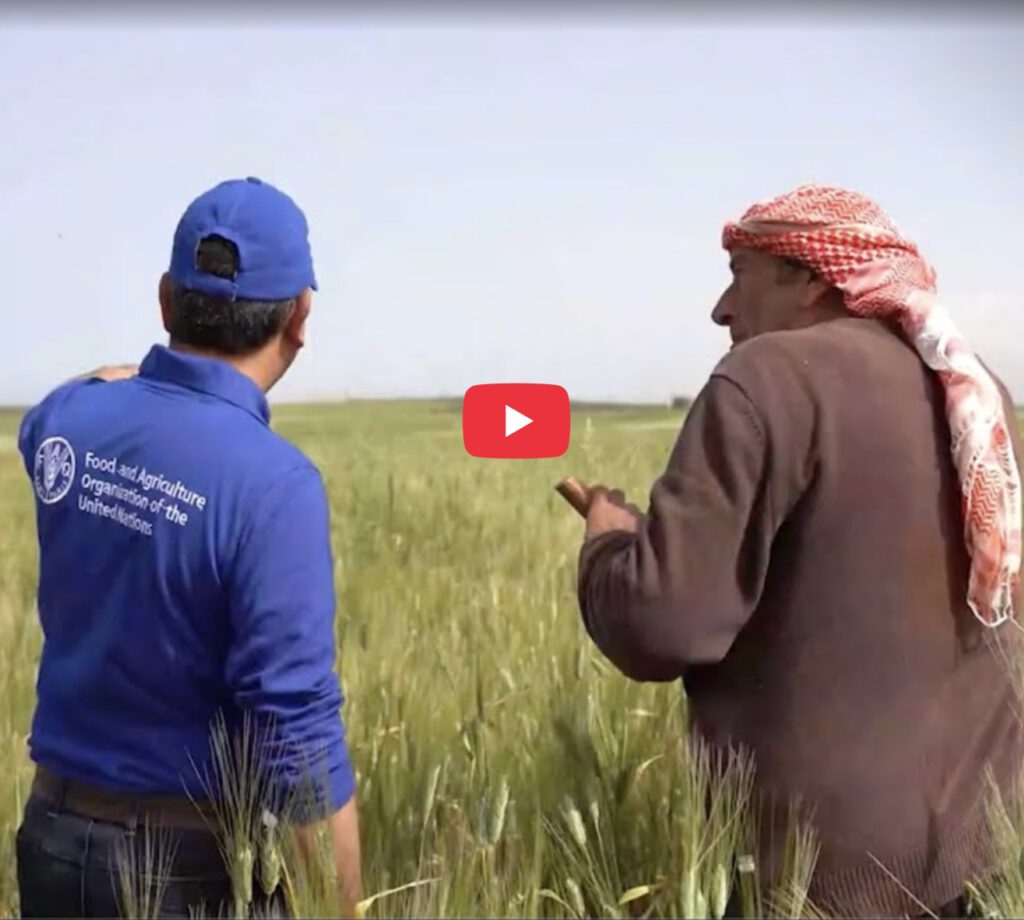
ISDC is studying how and to what extent the BLRS programme improves the resilience of Syria’s local agri-food systems. Through the use of rigorous quantitative approaches, including experimental and quasi-experimental study design, ISDC assesses the impact of various BLRS activities on crop & livestock production, livelihoods and economic well-being, food security & resilience, as well as on women empowerment.
This project is funded by UK aid from the UK government.