Thematic Brief
Women’s Empowerment and Gender Attitudes in Syria
14 years into the Syrian crisis, women and girls remain at the center of a deepening humanitarian emergency. The Food and Agricultural Organization (FAO) in partnership with the United Nations Population Fund (UNFPA) and the Syria Resilience Initiative (SRI) are piloting interventions under BLRS to empower women and challenge harmful gender attitudes. By integrating protection with economic resilience, these programs aim to transform social roles and secure a safer, more equitable future for women across Syria.
The crisis through a gender lens
Understanding the human cost of 14 years of conflict.
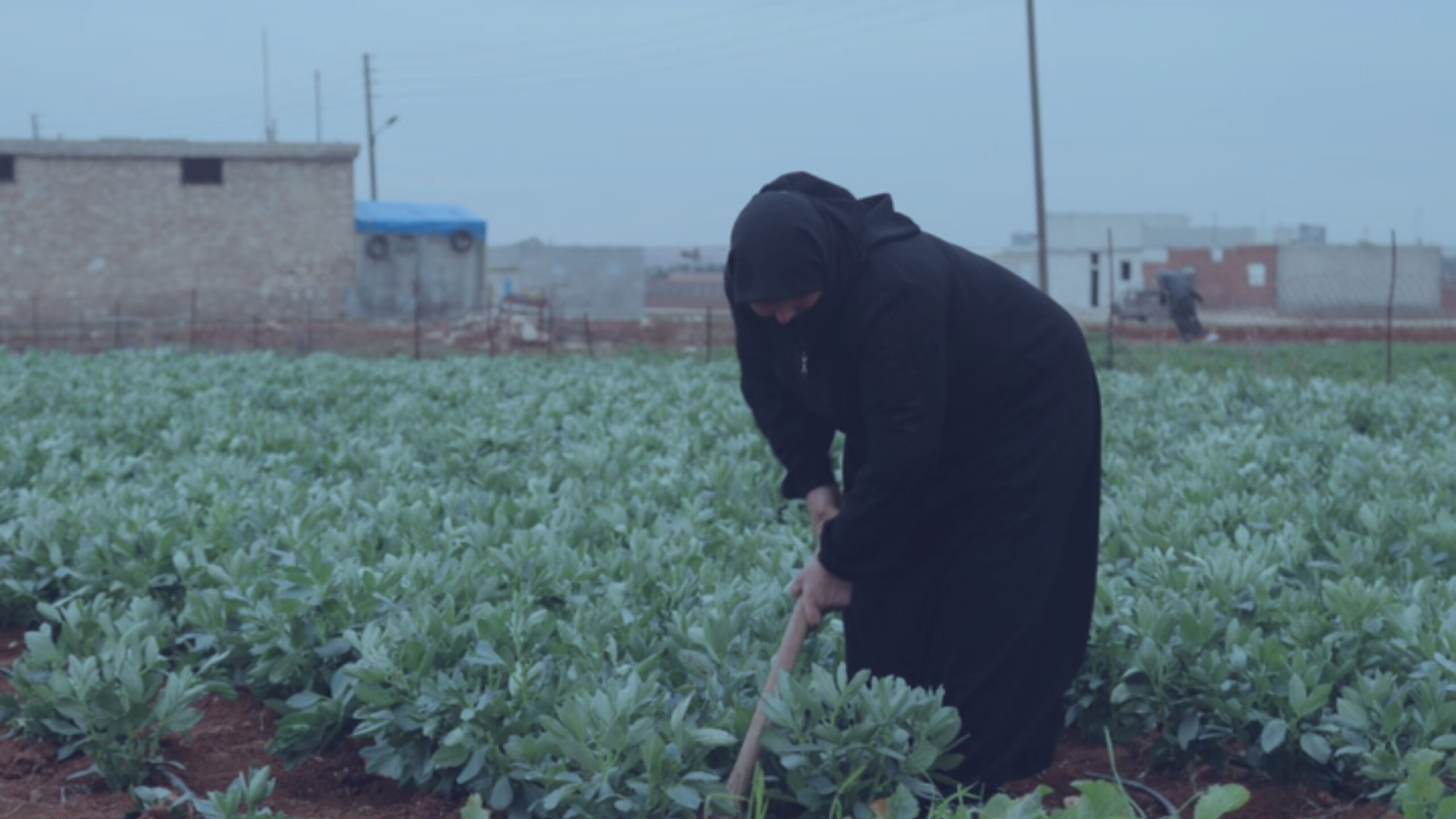
Syria’s prolonged conflict has deepened poverty, food insecurity, and social strain. Women play a critical role in agriculture and household welfare, but face persistent barriers to accessing resources and exercising their agency. Understanding what works to empower women and challenge harmful gender attitudes in this context is both urgent and complex.
What is empowerment?
Empowerment is the ”process by which those who have been denied the ability to make strategic life choices acquire such an ability” (Kabeer, 1999)
Reference ▼
Kabeer, N. (1999). Resources, agency, achievements: Reflections on the measurement of women’s empowerment. Development and change, 30(3), 435-464.
What we do
The BLRS programme pilots integrated interventions to strengthen women’s economic and social participation across Syria.
Integrated intervention
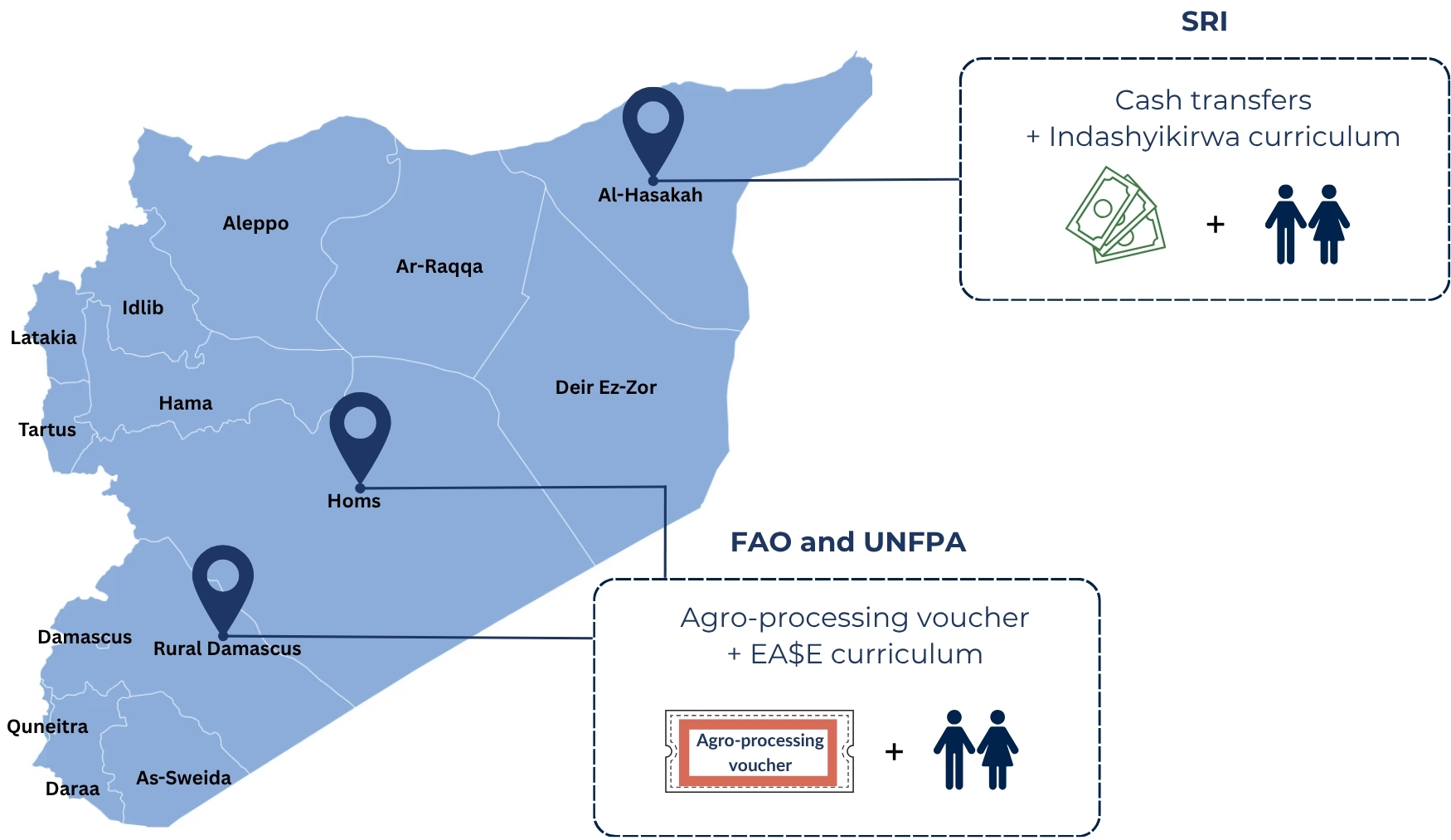
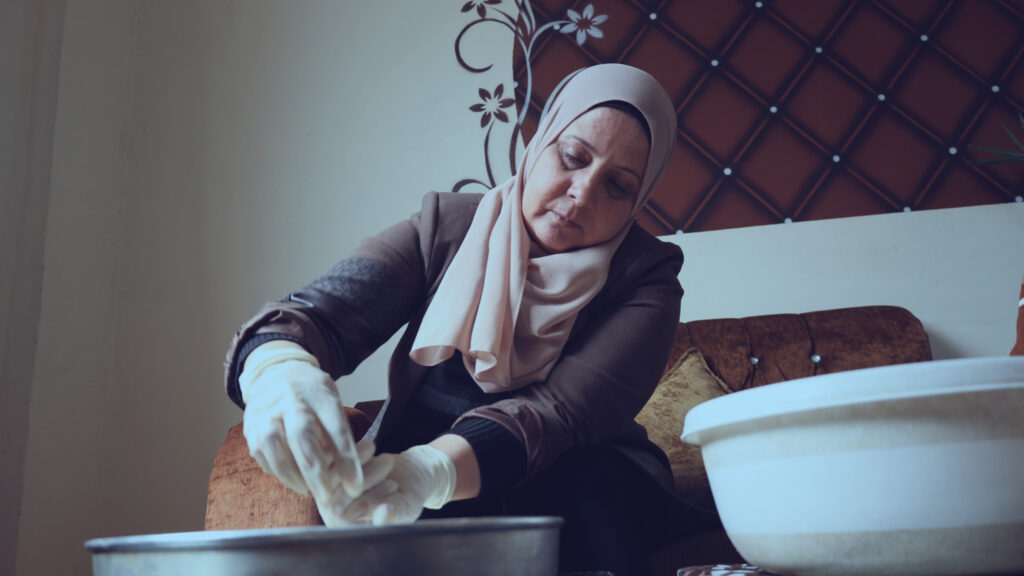
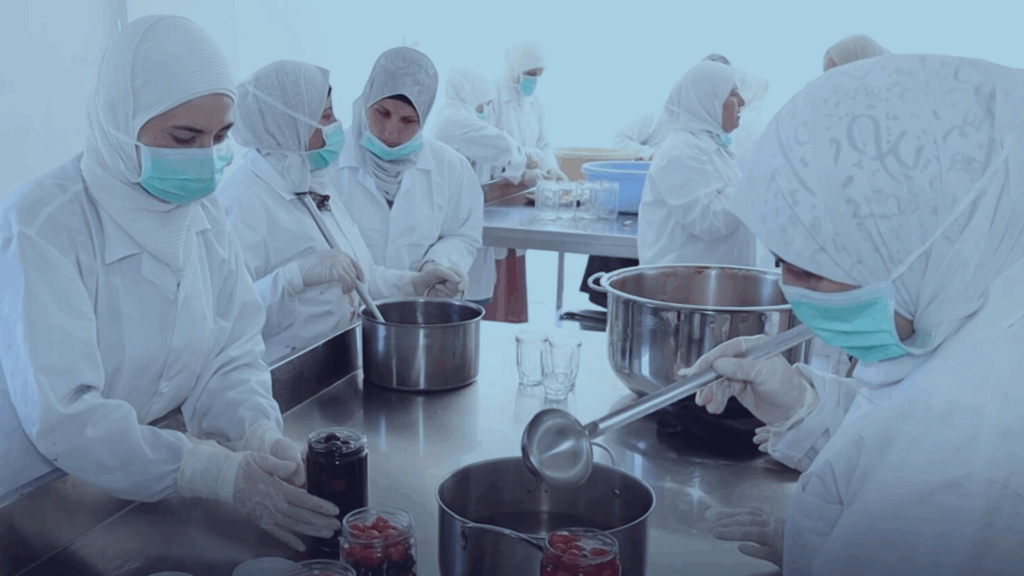
- In Homs and Rural Damascus, FAO, in partnership with UNFPA, provides agro-processing vouchers with the Economic and Social Empowerment (EA$E) curriculum for couples through Farmer Field Schools. The aim is to rebalance power, challenge harmful gender attitudes, and improve welfare, to ensure women can participate fully in their households and communities.
- In Al-Hasakah, SRI provides cash transfers to women and implements the 21-session Indashyikirwa couple’s curriculum aiming to promote women’s economic and social participation and reduce economic, emotional and physical IPV.
Goal and impact
The aim is to rebalance power, challenge harmful gender attitudes, and improve welfare to ensure women can participate fully in their households and communities.
SPAAAAAAACE
SRI and FAO pilot programmes

Programme impacts on shared decision-making
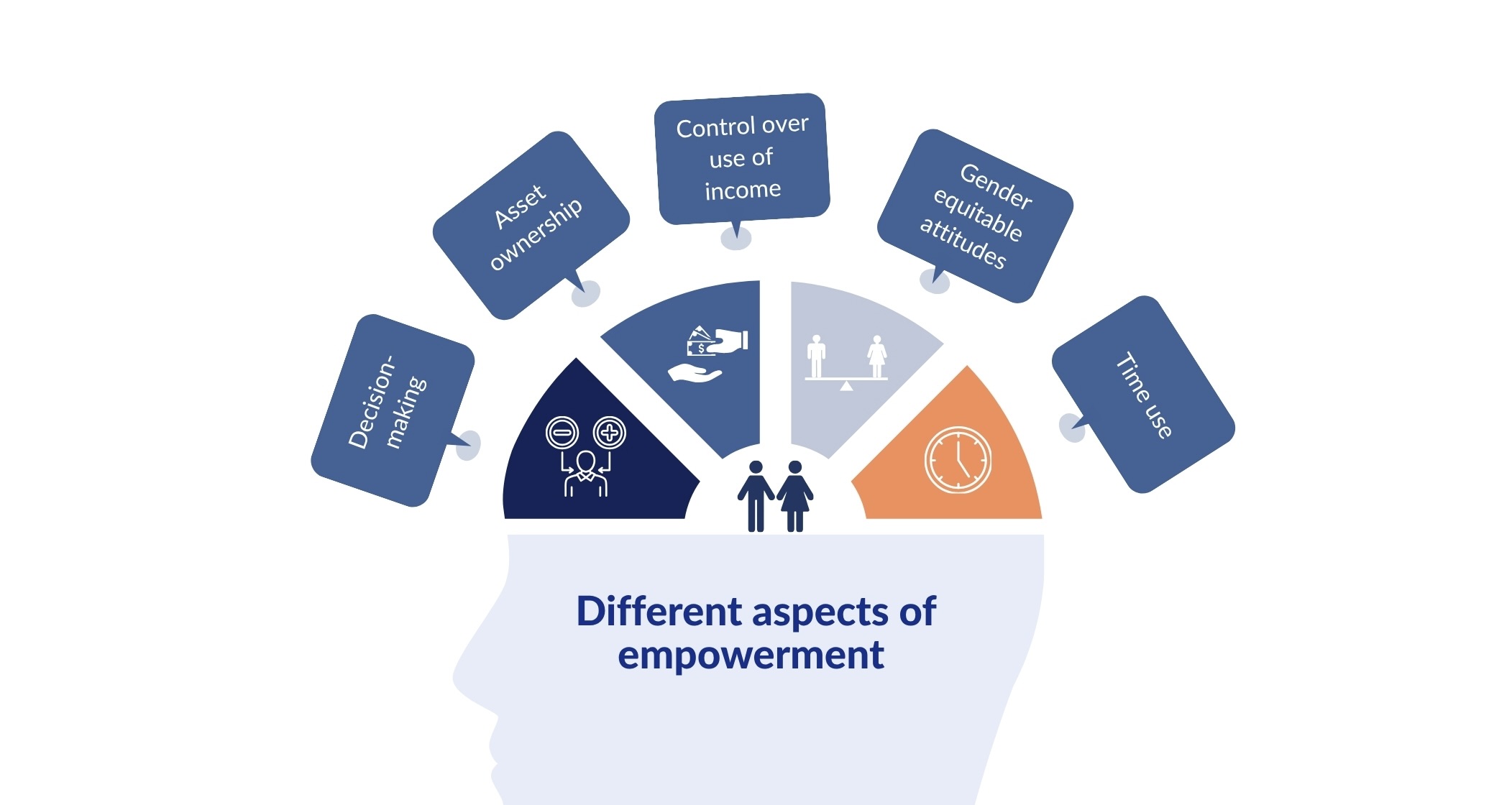
- Women’s participation in household decisions increased in both pilots. For instance, women were more likely to report making joint decisions regarding who works outside the home and on buying and selling items for the household.
- However, across both pilots, there were no shifts from sole to joint decision making among men.

Programme impacts on time use
- In the Homs and Rural Damascus pilot, women’s daily time spent on domestic work decreased by about 37 minutes per day. There were no such changes for men or in the Al-Hasakah pilot for women. In the SRI pilot, men’s time spent socializing increased by approximately 30 minutes per day, which may reflect the couple’s curriculum aspect of the programme.

Programme impacts on gender attitudes, including those related to child marriage
- There were several shifts towards gender equitable attitudes among women including on being against gendered work roles and men having the final say in both pilots.
- Changes among men were more limited and depended on the pilot. There were no changes to men’s gender attitudes in the Homs and Rural Damascus pilot. Men’s attitudes towards women’s work outside the home and men having the final say improved in the Al-Hasakah pilot.
- Women’s and men’s perceptions of broader gender norms did not change in either pilot.
Aspects of empowerment
ISDC’s work
Find out more about our evaluations of the BLRS programme:
Women’s Empowerment
Final Impact Report of the Syria Resilience Initiative’s (SRI) Violence Against Women and Girls (VAWG) Intervention
Women’s Empowerment
Final Impact Report of FAO’s Violence Against Women and Girls (VAWG) pilot interventions
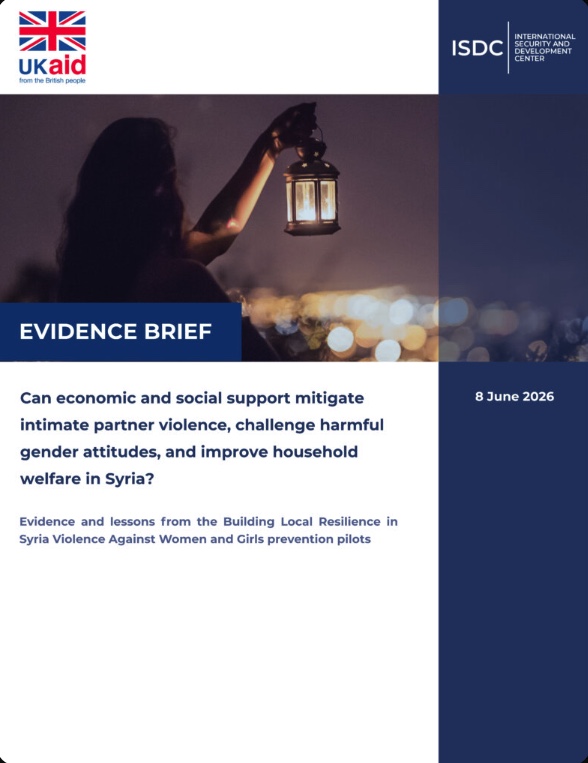
Women’s Empowerment
Evidence and lessons from the Building Local Resilience in Syria Violence Against Women and Girls prevention pilots

Addressing Violence Against Women and Girls (VAWG)
BLRS thematic brief
Impact stories
Discover real-life stories from our SRI and FAO partners, who are implementing BLRS on the ground:
This project is funded by UK aid from the UK government.