TWELVE YEARS OF EVIDENCE FROM SYRIA
Life in Syria
More than a decade of learning and generating rigorous evidence on Syria and Syrians abroad
SPACE
12
Years of research
15,000
Interviews conducted
9
Governorates covered
4
Countries in the region
Understanding the lives & livelihoods of Syrians
Understanding the lives and livelihoods of Syrians in Syria (and in the region) has been a part of ISDC’s research and learning agenda since we were founded twelve years ago. We are unique in having continuously collected micro-level data across the whole of Syria in partnership with diverse stakeholders. We have done so with the sole aim of understanding the behaviour and the welfare of ordinary Syrians.
We conduct rigorous research and evaluations using household survey data with large samples to study a population facing enormous economic, political and climatic challenges. We use this evidence to assess the impact of a wide range of interventions designed to offer support, for those in Syria and those forced to flee.
Where we work
Micro-level data collected across nine Governorates: Aleppo, Aleppo, Al-Hasakeh, Dar’a, Deir ez-Zor, Hama, Homs, Idlib, Lattakia and Rural Damascus- plus research on and with Syrians in Jordan, Lebanon and Türkiye
The map below shows where we are active by example of just one project — Building Local Resilience in Syria.
Thematic Briefs
Visual explainers on the crises and interventions our research addresses — each brings together data, programme context and evidence from ISDC’s evaluations.
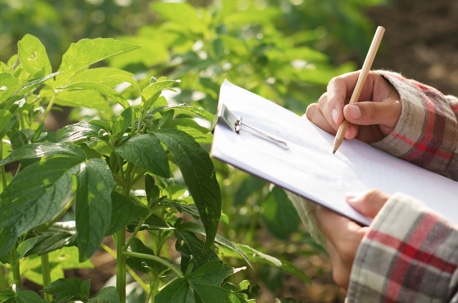
Thematic brief
Strengthening Food Security in Syria
How the BLRS programme is tackling drought, damaged irrigation and economic collapse — measured through the Food Consumption Score and Food Insecurity Experience Scale.
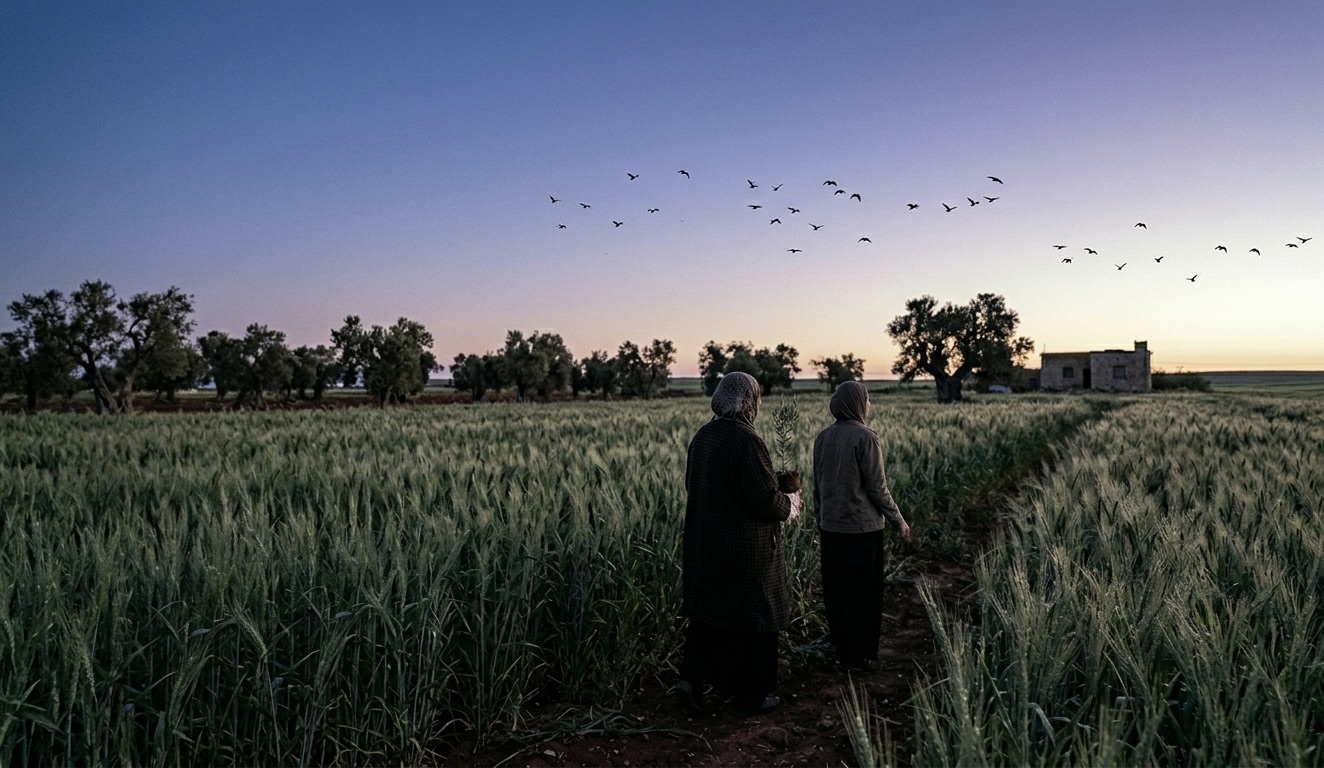
Thematic brief
Women’s Empowerment & Gender Attitudes in Syria
How the BLRS programme is tackling drought, damaged irrigation and economic collapse — measured through the Food Consumption Score and Food Insecurity Experience Scale.

Thematic brief
Addressing Violence Against Women and Girls (VAWG)
Evidence from two randomized evaluations of FAO-UNFPA and SRI interventions combining livelihood support with couples’ curricula to reduce IPV.
Selected reports and publications
Agriculture and food security
Agriculture and food security
Short- and medium-term impacts of small-scale vegetable support on food security: evidence from Syria
Agriculture and food security
Conducting (Long-term) Impact Evaluations in Humanitarian and Conflict Settings: Evidence from a complex agricultural intervention in Syria
Agriculture and food security
Violent conflict moderates food security impacts of agricultural asset transfers in Syria: A heterogeneity analysis using machine learning
Agriculture and food security
Monitoring and Impact Analysis of the EU-Funded Smallholder Support Programme (SSP) for Agriculture Transformation
Agriculture and food security
Supporting Emergency Needs, Early Recovery and Longer-term Resilience in Syria’s Agriculture Sector
Livelihoods and resilience
Livelihoods and resilience
Do Work Permits Work? The Impacts of Formal Labor Market Integration of Syrian Refugees in Jordan
Livelihoods and resilience
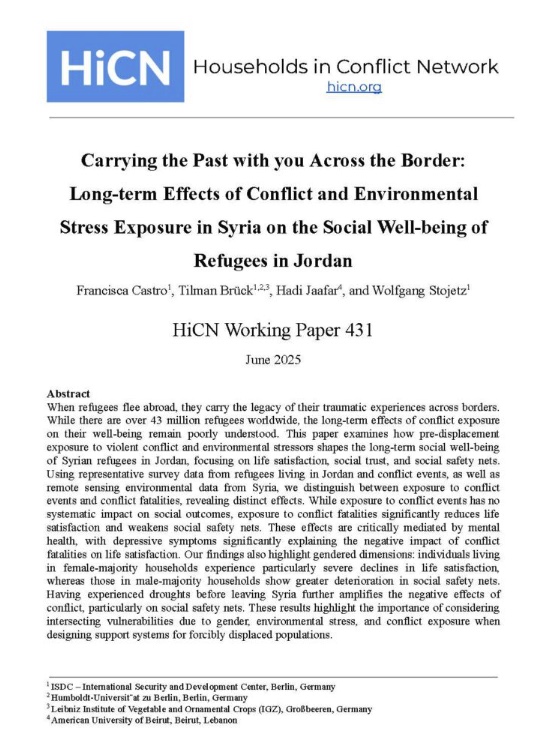
Long-Term Effects of Conflict and Environmental Stress Exposure on Syrian Refugees in Jordan
Livelihoods and resilience
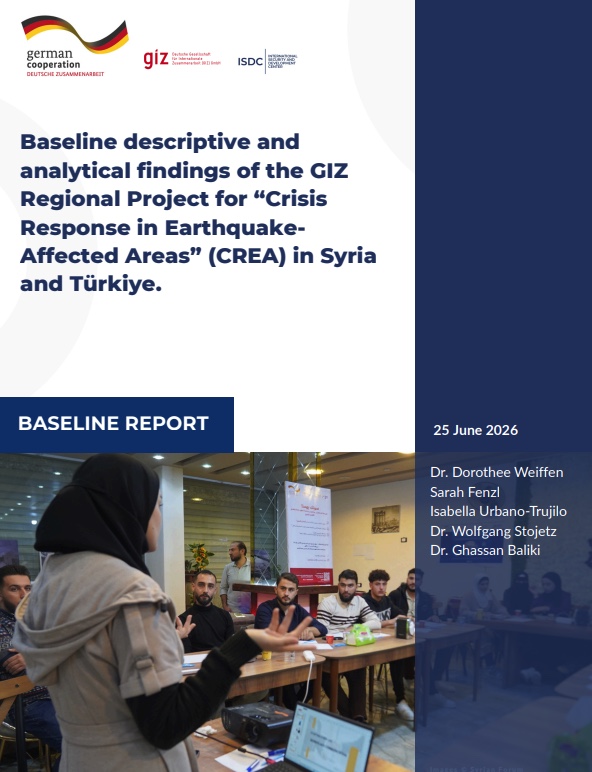
Baseline Report: Baseline descriptive and analytical findings of the GIZ Regional Project for Crisis Response in Earthquake- Affected Areas (CREA) in Syria and Türkiye
Women’s empowerment
Women’s empowerment
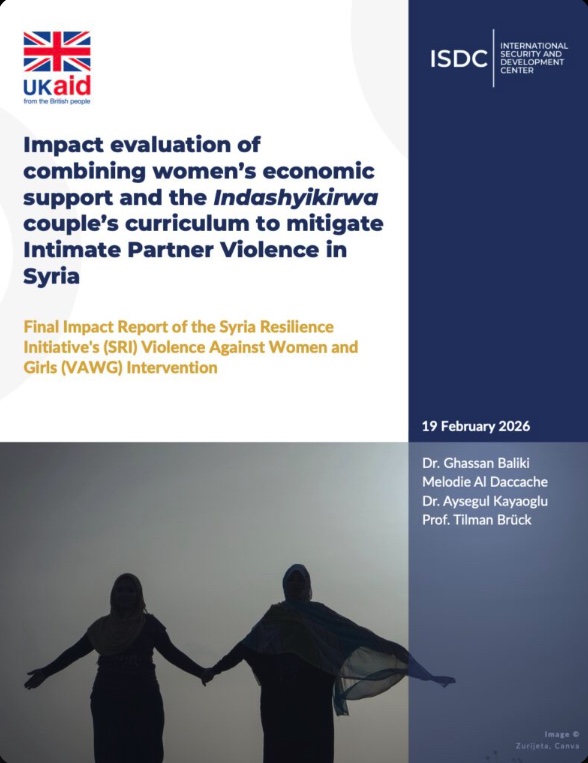
Final Impact Report of the Syria Resilience Initiative’s (SRI) Violence Against Women and Girls (VAWG) Intervention
Women’s empowerment
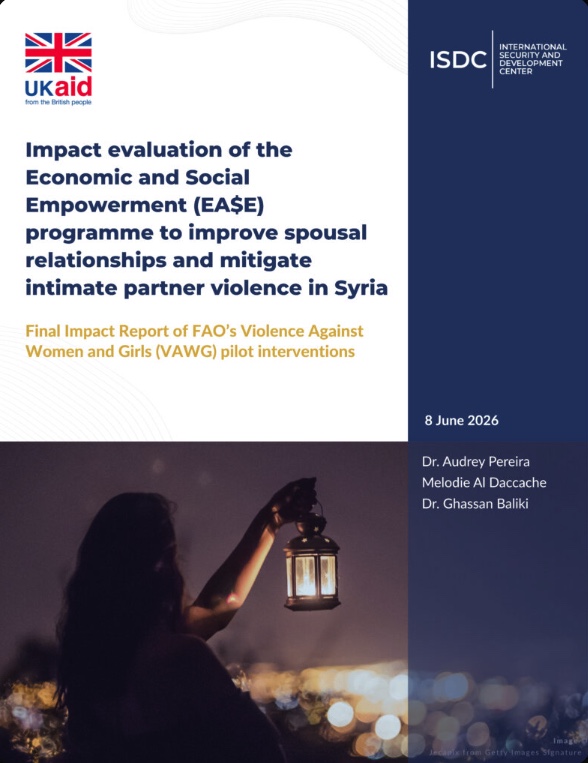
Final Impact Report of FAO’s Violence Against Women and Girls (VAWG) pilot interventions
Women’s empowerment
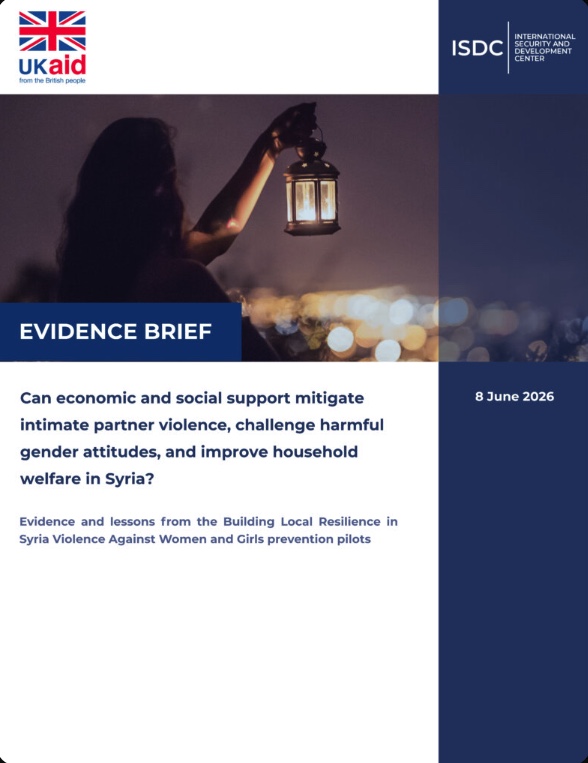
Evidence and lessons from the Building Local Resilience in Syria Violence Against Women and Girls prevention pilots
Selected reports and publications
Selected Impact Evaluations in Syria
BLRS aims to strengthen food and nutrition security across Syria by addressing the root causes of food insecurity through integrated resilience-building interventions. Moreover, the programme addresses violence against women and girls (VAWG) through pilot interventions designed to prevent intimate partner violence (IPV). The VAWG interventions combine livelihood support with a structured couple’s curriculum that promotes healthy relationships, joint decision-making, more equitable gender attitudes within households and communities, and reduces all-forms of IPV. As a learning partner, ISDC conducts a portfolio of impact evaluations to understand the impact of these integrated interventions on food security, livelihoods, resilience, women’s empowerment, and spousal relationships, ultimately providing a data-driven roadmap for future stabilization and programming in Syria.
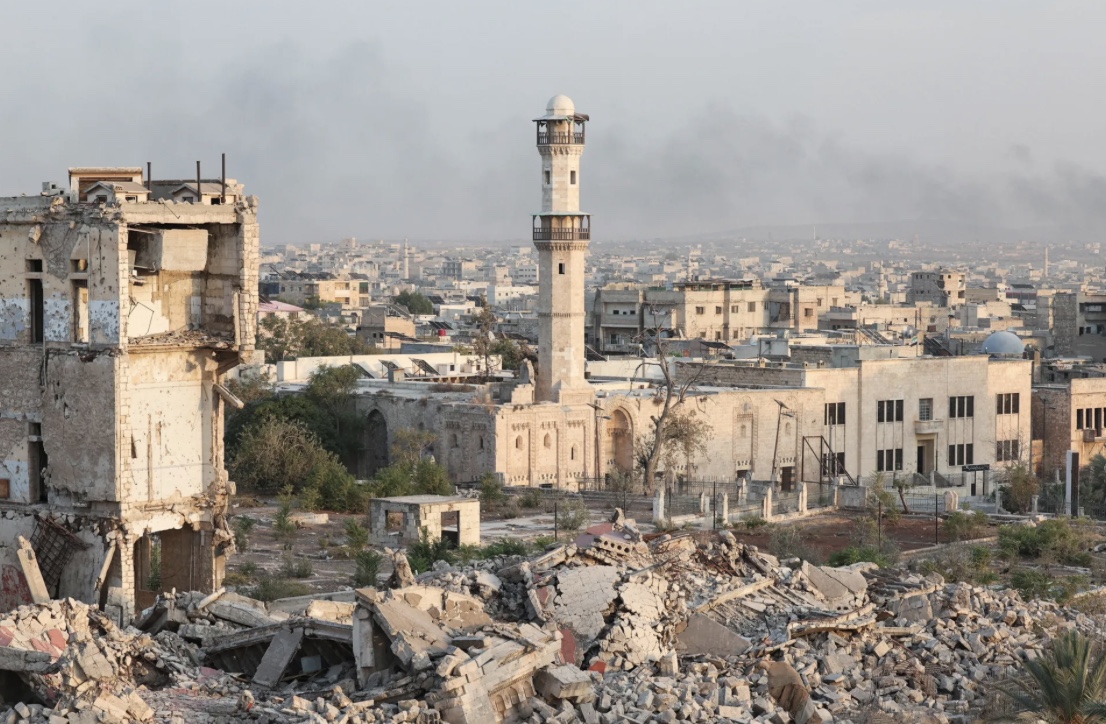
CREA addresses compound vulnerabilities in the wake of complex disasters by restoring equitable access to vital education, health, and livelihood services. As an independent evaluation partner, ISDC conducts a rigorous impact evaluation of the overall multi-sectoral program and its distinct sectoral components to estimate their effects on access, utilization, and satisfaction of health and education services; income generation; mental well-being and life satisfaction; social cohesion and trust
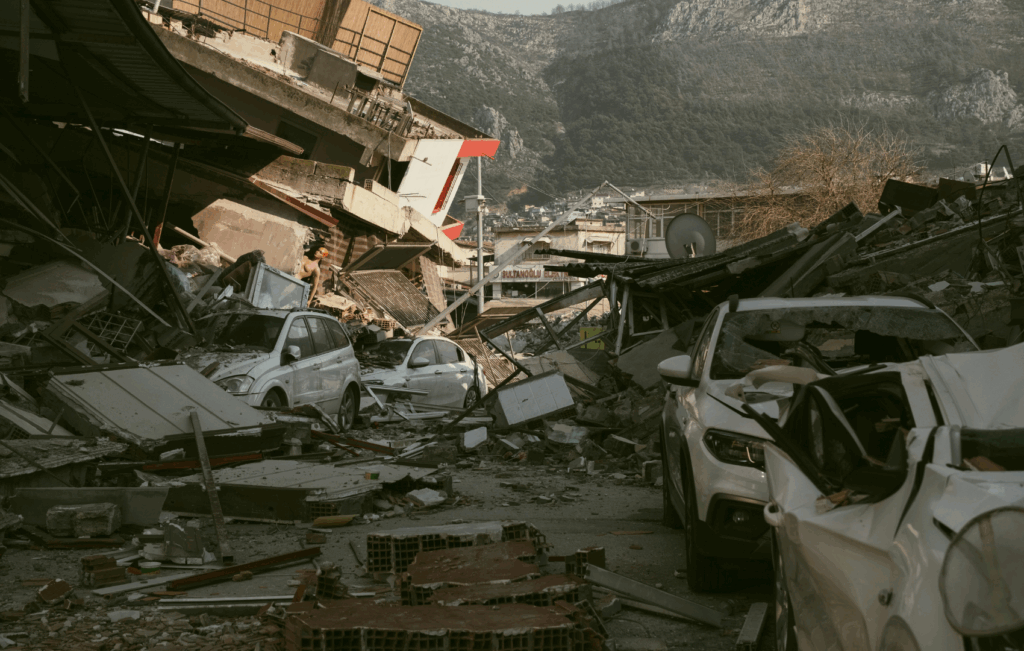
ILRS aims to strengthen the resilience of local agri-food systems by enhancing the capacities of local farmers and pastoralists for ecologically and economically sustainable agricultural production through targeted agricultural interventions. ISDC conducts two impact studies based on implementations providing key agricultural trainings and inputs to measure program effects on agricultural production, climate adaptation, and economic recovery. A core objective of the evaluation is also to strengthen the capacity of local partners to generate relevant programmatic evidence.
Interested in our work in Syria ?
Get in touch to learn more about our ongoing research, partnership opportunities, or to receive our latest reports.